




















As our lives become increasingly intertwined with technology and the global economy, many of us are venturing into uncharted territories, whether it’s starting a business, traveling solo, or pursuing extreme sports. While these activities can be exhilarating and fulfilling, they also come with unique risks that can have devastating consequences if not managed properly. That’s why it’s essential to establish safety protocols that can help mitigate these risks and ensure our personal and financial well-being.
Assessing Risk
Before engaging in any remote or high-risk activity, it’s crucial to identify potential risks associated with it. This involves taking a step back, assessing the situation, and asking yourself questions like: What are the potential dangers involved? What are the chances of something going wrong? What are the consequences of failure or injury? For instance, if you’re planning to go skydiving, you need to consider the risk of equipment failure, human error, or adverse weather conditions. Similarly, if you’re starting a business, you need to consider the risk of market fluctuations, competition, or regulatory changes.
Some examples of high-risk activities include:
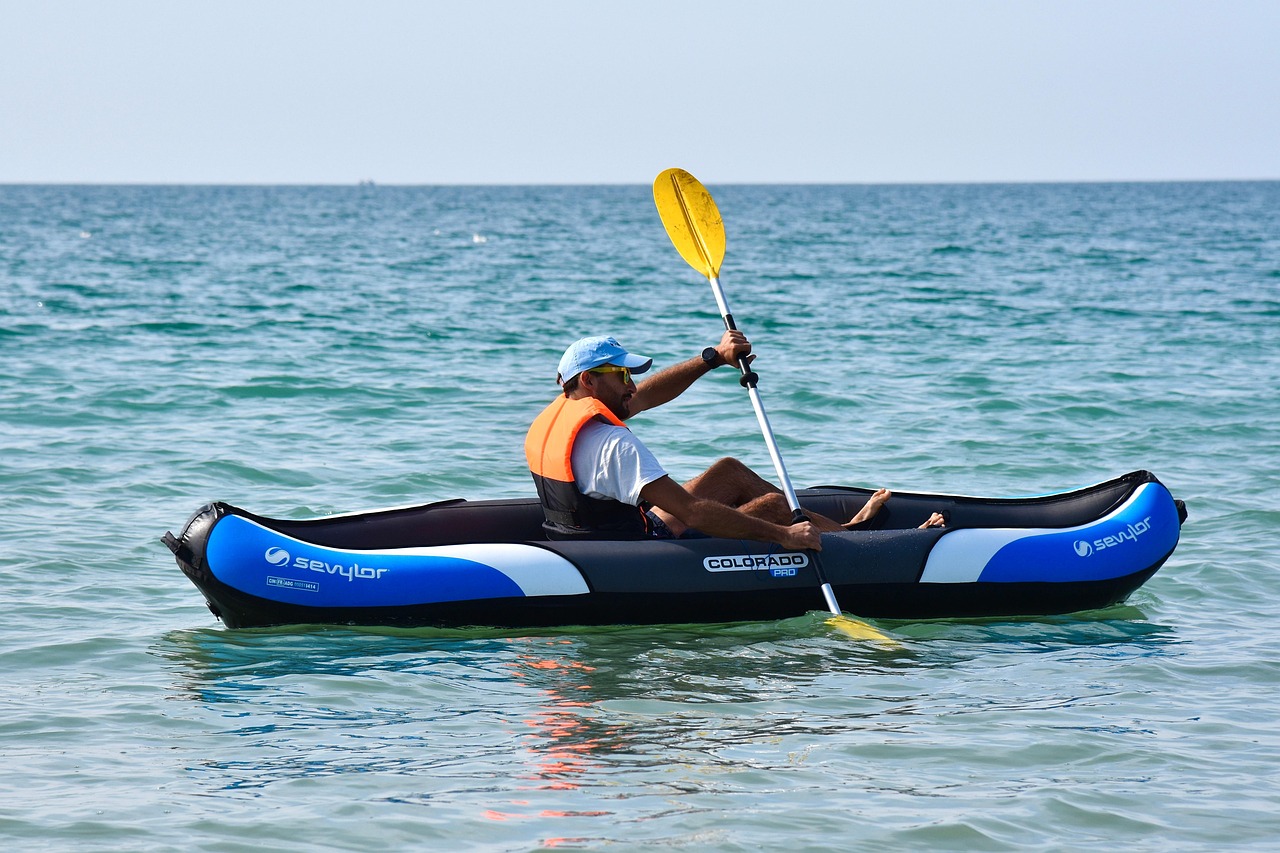
- Extreme sports like skydiving, rock climbing, or whitewater rafting
- Solo travel to remote or unfamiliar locations
- Entrepreneurship, especially in untested markets or industries
- Working in hazardous environments, such as construction or manufacturing
- Participating in high-stakes competitions or events
Insurance and Financial Protection
Insurance is a critical component of any safety protocol, as it can help mitigate financial risk in the event of an unexpected event. When choosing an insurance policy, consider the following factors:
- Coverage: What risks are covered, and what are the policy limits?
- Premium: How much does the policy cost, and are there any discounts available?
- Deductible: How much do you need to pay out of pocket before the policy kicks in?
- Provider: What is the insurer’s reputation, and how quickly do they pay claims?
Some common types of insurance for remote or high-risk activities include:
- Life insurance: Provides a financial safety net for loved ones in the event of death or permanent disability
- Disability insurance: Replaces lost income in the event of illness or injury
- Health insurance: Covers medical expenses in the event of illness or injury
- Business insurance: Protects business assets and revenue in the event of unexpected events or lawsuits
Emergency Funding and Contingency Planning
Having an emergency fund in place is essential for remote or high-risk activities, as it can help cover unexpected expenses or lost income. Aim to save 3-6 months’ worth of living expenses in a easily accessible savings account. This fund can be used to cover:
- Medical expenses or lost income due to illness or injury
- Equipment failure or damage
- Travel disruptions or cancellations
- Business expenses or revenue shortfalls
In addition to an emergency fund, it’s essential to create a contingency plan for unexpected events. This involves identifying potential risks, assessing their likelihood and impact, and developing a plan to mitigate or respond to them. For instance, if you’re traveling solo, you may want to identify local emergency services, research nearby hospitals, or develop a communication plan with loved ones.
Communication and Support Networks
Maintaining open communication with loved ones and support networks is critical for remote or high-risk activities. This involves:
- Establishing a regular check-in schedule with loved ones or support networks
- Sharing your itinerary, location, and contact information with trusted individuals
- Developing a communication plan for emergency situations, such as a emergency contact or a messaging app
- Building a strong support network of friends, family, or colleagues who can provide emotional support or practical assistance
Personal Safety and Well-being
Prioritizing personal safety and well-being is essential for remote or high-risk activities. This involves:
- Taking care of physical health through regular exercise, healthy eating, and adequate rest
- Managing mental health through stress-reduction techniques, such as meditation or yoga
- Staying informed about local conditions, weather, or potential hazards
- Developing a self-care plan, such as regular check-ins with a therapist or support group
Conclusion
Engaging in remote or high-risk activities can be exhilarating and fulfilling, but it’s essential to prioritize safety protocols to mitigate potential risks. By assessing risk, securing insurance and financial protection, establishing an emergency fund and contingency plan, maintaining open communication and support networks, and prioritizing personal safety and well-being, you can ensure your personal and financial well-being, even in the most challenging situations.
Remember, safety protocols are not a one-time task, but an ongoing process that requires regular review and updates. By prioritizing safety, you can focus on what matters most – pursuing your passions and living life to the fullest.























Leave a Reply
You must be logged in to post a comment.