



















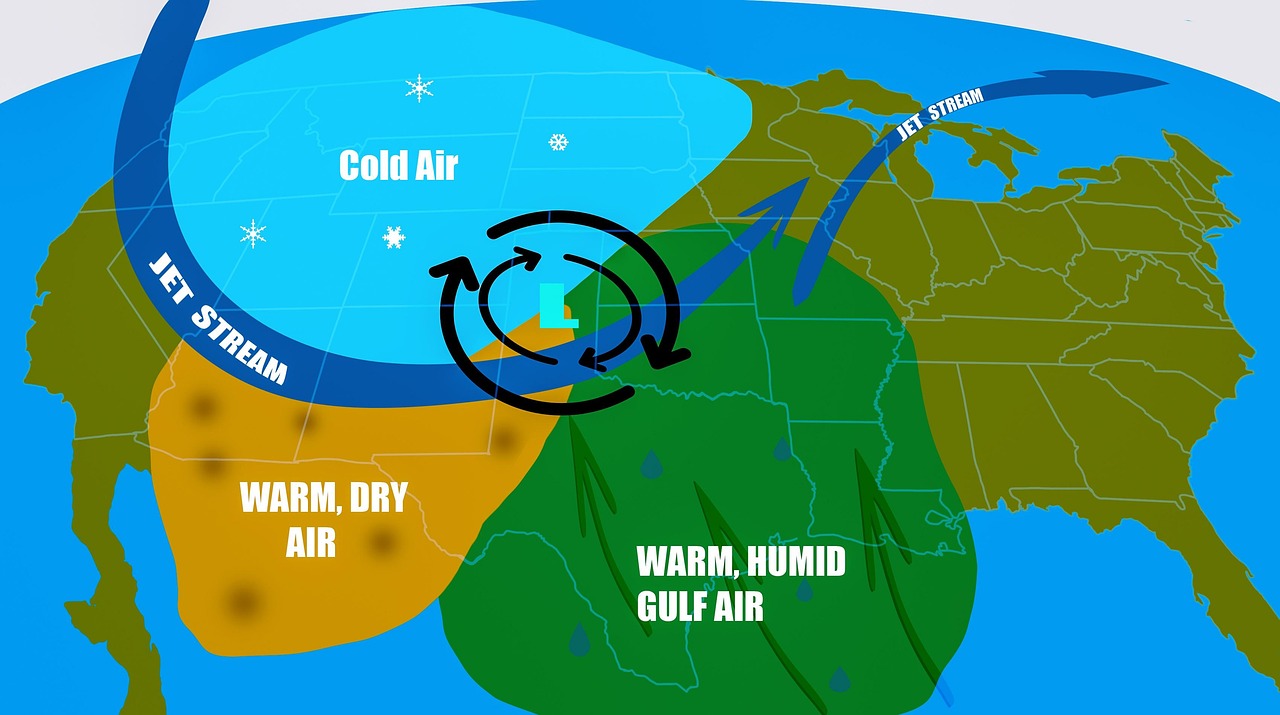
As outdoor enthusiasts, we know that the great outdoors can be unpredictable. But with a little planning and preparation, we can minimize the risks and maximize the fun. One crucial aspect of adventure planning is considering the weather. Whether you’re hiking, camping, or simply enjoying a picnic, understanding how weather patterns influence your plans can make all the difference between a successful adventure and a disastrous one.
Why Planning is Essential
Before we dive into the nitty-gritty of weather patterns, let’s quickly discuss why planning is essential for outdoor adventures. Without a solid plan, you risk being caught off guard by unexpected weather conditions, which can lead to safety issues, discomfort, and even financial losses. By planning ahead, you can:
- Ensure you have the right gear and clothing for the conditions
- Choose the best routes and trails for your group’s abilities
- Pack essential supplies, such as food, water, and first aid kits
- Make informed decisions about your itinerary and schedule
- Stay safe and avoid costly mistakes
Understanding Weather Patterns
Now, let’s explore how weather patterns impact your adventure planning. There are several key factors to consider:
- Seasonal Patterns: Different seasons bring distinct weather patterns. For example, summer often means hot and humid weather, while winter brings cold temperatures and potential snowfall. Understanding these patterns helps you prepare for the conditions you’ll face.
Example: If you’re planning a summer hike in the Rocky Mountains, you’ll want to pack light, breathable clothing and plenty of water to stay hydrated. In contrast, a winter camping trip in the same region might require warm, layered clothing and snow gear.
- Regional Patterns: Weather patterns vary significantly from region to region. For instance, the southeastern United States is prone to hurricanes and tropical storms, while the Pacific Northwest is known for its rain.
Example: If you’re planning a beach vacation in Florida, you’ll want to check the hurricane forecast and have a plan in place in case of a storm. In Oregon, you might want to pack waterproof gear and be prepared for rain.
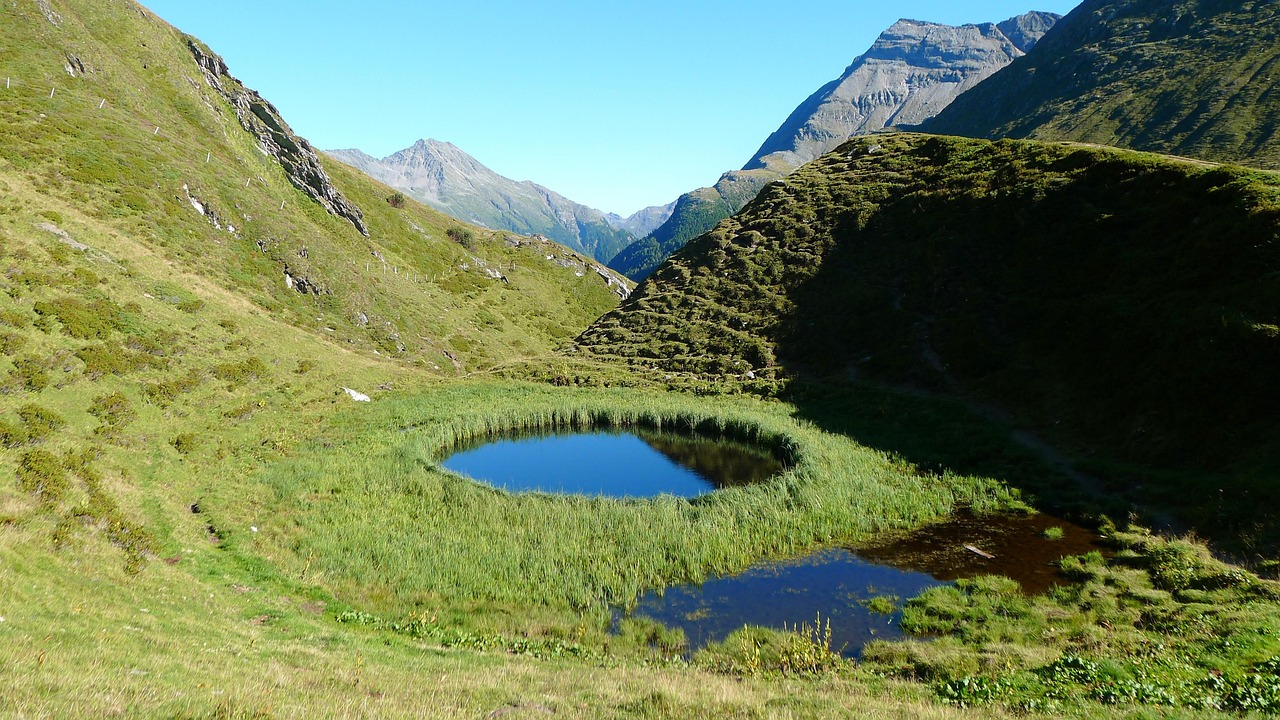
- Elevation and Topography: As you ascend in elevation or traverse different landscapes, weather patterns can change dramatically. Mountains, valleys, and coastlines all have unique microclimates that affect the weather.
Example: If you’re hiking in the Sierra Nevada mountains, you might experience snow and cold temperatures at higher elevations, even in the summer. In contrast, the valley below might be warm and sunny.
- Weather Fronts: Weather fronts, such as cold fronts or warm fronts, can bring significant changes in temperature, humidity, and precipitation. Understanding these fronts helps you anticipate the weather.
Example: If a cold front is moving into your area, you might expect cooler temperatures, stronger winds, and potential rain or snow. This knowledge can help you adjust your plans and packing list accordingly.
Putting it into Practice
Now that we’ve covered the basics of weather patterns, let’s discuss how to incorporate this knowledge into your adventure planning. Here are some practical tips:
- Check the Forecast: Before your trip, check the weather forecast for your destination and plan accordingly. Look for trends, patterns, and any potential weather systems that might impact your adventure.
- Pack Flexibly: Bring clothing and gear that can adapt to changing weather conditions. This might include layers, waterproof gear, or equipment that can handle varying temperatures.
- Be Prepared for Emergencies: Always have a plan in place for unexpected weather events, such as a sudden storm or heatwave. Know your emergency protocols, and make sure your group is aware of them.
- Stay Informed: During your trip, stay informed about weather conditions through local news, weather apps, or park ranger stations. This helps you make informed decisions and adjust your plans as needed.
Conclusion
Weather patterns play a significant role in adventure planning, and understanding these patterns can make all the difference between a successful trip and a disastrous one. By considering seasonal, regional, elevation, and weather front patterns, you can prepare for the conditions you’ll face and make informed decisions about your itinerary and gear. Remember to always plan ahead, pack flexibly, and stay informed to ensure a safe and enjoyable adventure.























Leave a Reply
You must be logged in to post a comment.