
















Are you planning to embark on a challenging expedition, such as hiking the Appalachian Trail or climbing Mount Everest? Whether you’re a seasoned adventurer or a beginner, physical training is essential to ensure a safe and successful journey. In this article, we’ll provide you with a step-by-step guide on how to train physically for challenging expeditions, so you can tackle your next adventure with confidence.
Step 1: Assess Your Current Fitness Level
Before starting your training, it’s essential to assess your current fitness level. Take an honest look at your physical abilities, including your cardiovascular endurance, strength, flexibility, and overall health. Ask yourself:
- How often do I exercise?
- What types of activities do I enjoy?
- Do I have any health concerns or physical limitations?
Be realistic about your current fitness level, and don’t be afraid to consult with a doctor or fitness professional if you’re unsure.
Step 2: Set Realistic Goals
Setting realistic goals is crucial to a successful training program. Identify the specific demands of your expedition, such as the distance, terrain, and altitude. Then, set specific, measurable, and achievable goals for yourself, such as:
- Increasing my cardiovascular endurance to hike 10 miles per day
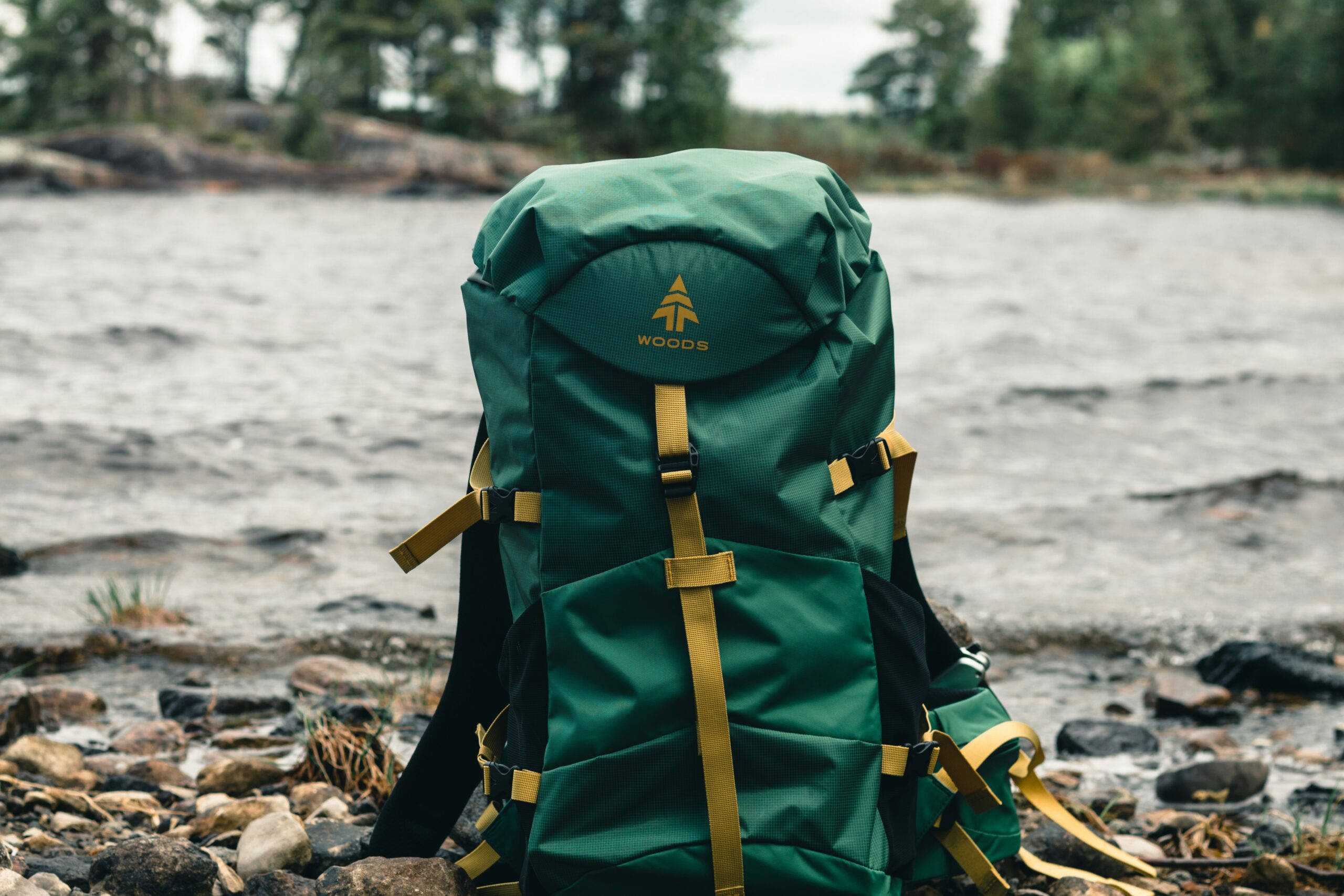
- Building strength to carry a 50-pound backpack
- Improving my flexibility to navigate steep terrain
Step 3: Create a Training Plan
Develop a structured training plan that incorporates cardiovascular exercise, strength training, and flexibility exercises. Aim to train 3-4 times per week, with at least one day of rest in between. Include a mix of activities, such as:
- Cardiovascular exercises: running, cycling, swimming, or brisk walking
- Strength training: weightlifting, bodyweight exercises, or resistance band exercises
- Flexibility exercises: yoga, stretching, or Pilates
For example, a sample training plan might look like this:
Monday: 30-minute jog + strength training (legs and core)
Wednesday: 30-minute cycle + flexibility exercises (hamstrings and quadriceps)
Friday: 30-minute swim + strength training (upper body and back)
Step 4: Incorporate Expedition-Specific Training
In addition to general fitness training, incorporate expedition-specific exercises to prepare your body for the unique demands of your expedition. For example:
- If you’re planning to hike the Appalachian Trail, practice hiking with a heavy backpack and navigate steep terrain.
- If you’re planning to climb Mount Everest, practice high-altitude training, such as hiking at high elevations or using a altitude mask.
Step 5: Gradually Increase Intensity and Duration
Gradually increase the intensity and duration of your training over time. This will help your body adapt to the demands of your expedition and reduce the risk of injury. For example:
- Start with shorter, easier workouts and gradually increase the distance, intensity, and duration over time.
- Incorporate rest days or active recovery days, such as yoga or light stretching, to allow your body to recover.
Step 6: Focus on Mental Toughness
Physical training is only half the battle. Mental toughness is essential to overcome the challenges and obstacles you’ll face on your expedition. Incorporate mental training exercises, such as:
- Visualization: imagine yourself successfully completing your expedition
- Positive self-talk: focus on positive affirmations and self-encouragement
- Mindfulness: practice mindfulness techniques, such as meditation or deep breathing, to stay focused and present
Step 7: Get Enough Rest and Nutrition
Adequate rest and nutrition are essential to support your physical training. Ensure you get:
- 7-9 hours of sleep per night to aid in recovery and muscle repair
- A balanced diet that includes plenty of protein, complex carbohydrates, and healthy fats to fuel your body
- Stay hydrated by drinking plenty of water throughout the day
Conclusion
Training physically for a challenging expedition takes time, dedication, and patience. By following these 7 steps, you’ll be well-prepared to tackle your next adventure with confidence. Remember to stay focused, motivated, and committed to your training program, and don’t be afraid to seek guidance from a fitness professional or doctor if you need it. With the right training and mindset, you’ll be ready to take on even the most challenging expeditions. Happy adventuring!





















Leave a Reply
You must be logged in to post a comment.