








Are you tired of blowing your travel budget on overpriced restaurants and mediocre meals? You’re not alone. Eating out can be a significant expense, especially when exploring new destinations. However, with a little planning and creativity, you can stretch your food budget while traveling and still enjoy delicious, authentic meals.
Step 1: Research Local Eats
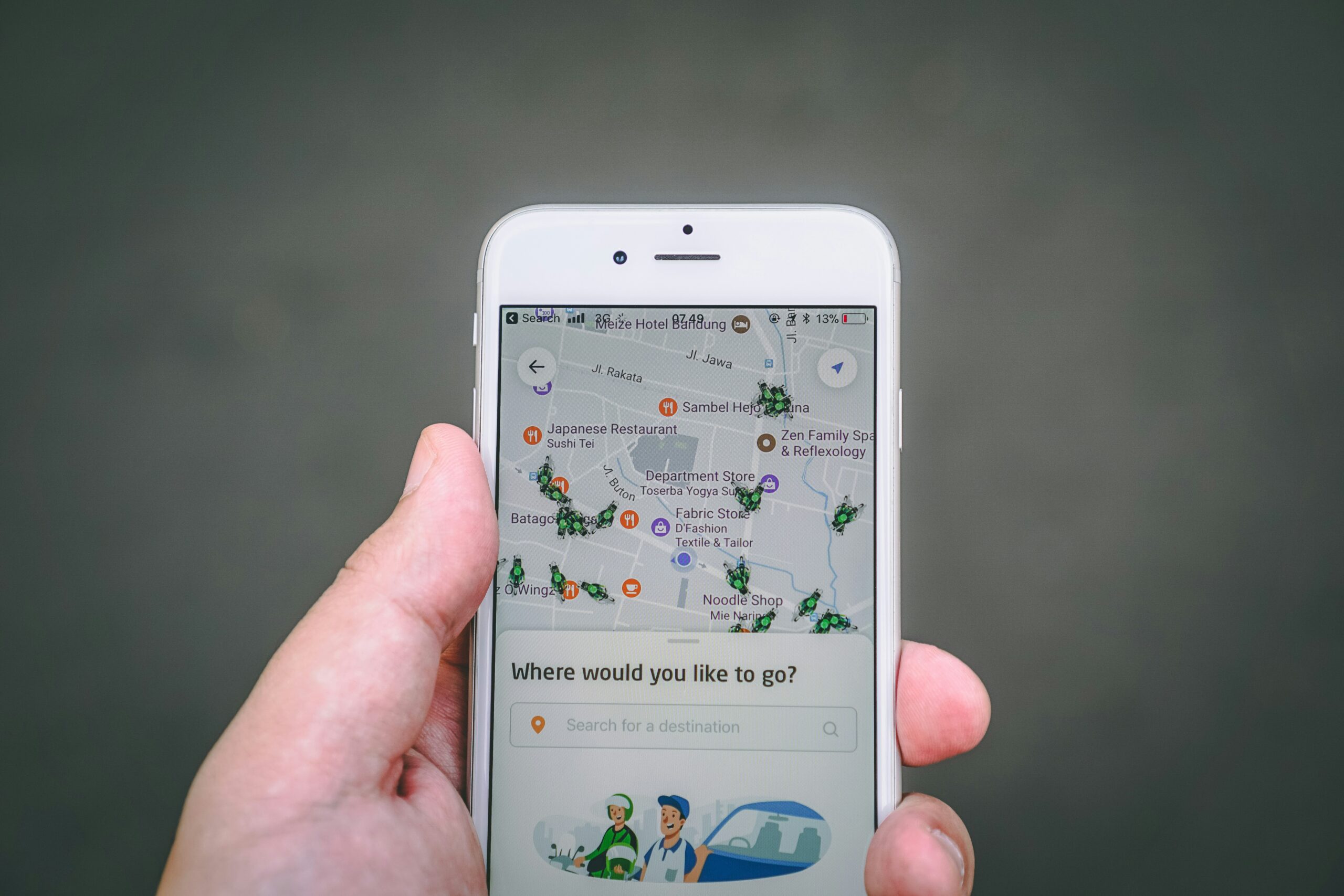
Before you arrive at your destination, research local eateries, markets, and street food scenes. Websites like TripAdvisor, Yelp, and Google Maps can help you discover affordable and highly-recommended spots. You can also ask friends, family, or fellow travelers for recommendations.
For example, if you’re heading to Japan, you might research affordable sushi options, like conveyor belt sushi restaurants or standing-room-only eateries. In Mexico, you might look for authentic taco stands or street food markets.
Step 2: Book Accommodations with Kitchen Facilities
Opting for accommodations with kitchen facilities can be a game-changer for your food budget. Look for apartments, hostels, or vacation rentals with kitchenettes or full kitchens. This way, you can prepare your own meals and snacks, saving money and enjoying a more home-like experience.
According to a survey by Hostelworld, 75% of travelers prefer staying in hostels with kitchen facilities. You can find affordable options on websites like Booking.com, Airbnb, or Hostelworld.
Step 3: Shop at Local Markets or Grocery Stores
Visit local markets or grocery stores to stock up on snacks, ingredients, and essentials. You can find fresh produce, bread, cheese, and other staples at a fraction of the cost of eating out.
In Europe, try visiting outdoor markets or shops like Lidl or Aldi for affordable groceries. In Asia, explore night markets or street food stalls for cheap and delicious eats.
Step 4: Cook Your Own Meals
With kitchen facilities and ingredients in hand, it’s time to cook your own meals. Look up simple recipes online, like one-pot pasta dishes or stir-fries, that can be prepared with minimal equipment.
You can also prepare your own breakfasts, like oatmeal or scrambled eggs, and pack snacks like energy bars, nuts, or dried fruits.
Step 5: Eat Street Food or at Casual Eateries
Street food and casual eateries often offer delicious, authentic meals at a lower cost than restaurants. Look for vendors or eateries with high turnover rates, as they tend to be cleaner and more reliable.
In Southeast Asia, try popular street food dishes like pad thai, banh mi, or satay. In Latin America, indulge in tacos al pastor, empanadas, or churros.
Step 6: Avoid Tourist Traps
Steer clear of restaurants and cafes in heavily touristy areas, as they tend to be overpriced and underwhelming. Instead, venture into local neighborhoods or ask your accommodation provider for recommendations.
Step 7: Take Advantage of Free Breakfasts or Happy Hours
Many hotels, hostels, and vacation rentals offer free breakfasts or happy hour deals. Take advantage of these perks to save money and fuel up for your day.
Step 8: Use Cashback or Rewards Credit Cards
If you have a cashback or rewards credit card, use it for your food purchases. You can earn points or cashback on your dining expenses, which can be redeemed for future travel or other perks.
Bonus Tips:
- Pack your own water bottle and refill it at your accommodation or water fountains to avoid buying expensive bottled water.
- Bring your own reusable shopping bag to reduce waste and save money on single-use bags.
- Consider purchasing a portable stove or cooking equipment if you plan to cook frequently during your trip.
Resources:
- Hostelworld’s Kitchen Facilities Survey: https://www.hostelworld.com/blog/kitchen-facilities-survey/
- TripAdvisor’s Budget Travel Guide: https://www.tripadvisor.com/TravelersChoice-Budget
- The Budget Traveler’s Guide to Eating Well: https://www.thespruceeats.com/budget-travel-food-4127189
By following these steps and tips, you can stretch your food budget while traveling and enjoy a more authentic, affordable, and delicious culinary experience. Happy travels!
















Leave a Reply
You must be logged in to post a comment.