
















As exciting as solo travel can be, it’s natural to feel a little nervous about venturing out on your own. After all, you’re not surrounded by the comfort and security of friends or family. But with some preparation, awareness, and common sense, you can minimize risks and have a safe, enjoyable trip. Here are seven essential tips to help you stay safe when traveling alone.
1. Research, Research, Research
Before you embark on your solo adventure, do your homework. Gather as much information as possible about your destination, including:
- Local laws and customs: Understand what’s considered appropriate behavior and what’s not. For example, in some countries, public displays of affection are frowned upon, while in others, it’s customary to remove your shoes before entering a home.
- Potential scams: Know the common scams targeting tourists in your destination, such as pickpocketing, fake charity solicitations, or overpriced services.
- Neighborhood safety: Research the areas you plan to visit and stay, and avoid neighborhoods with high crime rates.
- Health concerns: Learn about any vaccinations or medications you may need, as well as any prevalent health issues in the area.
Websites like the US Department of State’s Travel Advisory website, Lonely Planet, and TripAdvisor are great resources to get started.
2. Stay Connected
Invest in a reliable phone plan or portable Wi-Fi hotspot to stay in touch with family and friends back home. This will not only give you peace of mind but also provide a means of communication in case of an emergency. Consider purchasing a local SIM card or renting a portable Wi-Fi hotspot, which can be more cost-effective than relying on international roaming.
3. Plan Ahead
Book your accommodations and transportation in advance to avoid last-minute stress and potential safety risks. Research your options carefully, and opt for reputable companies or services with good reviews. This will help you avoid scams or unscrupulous operators.
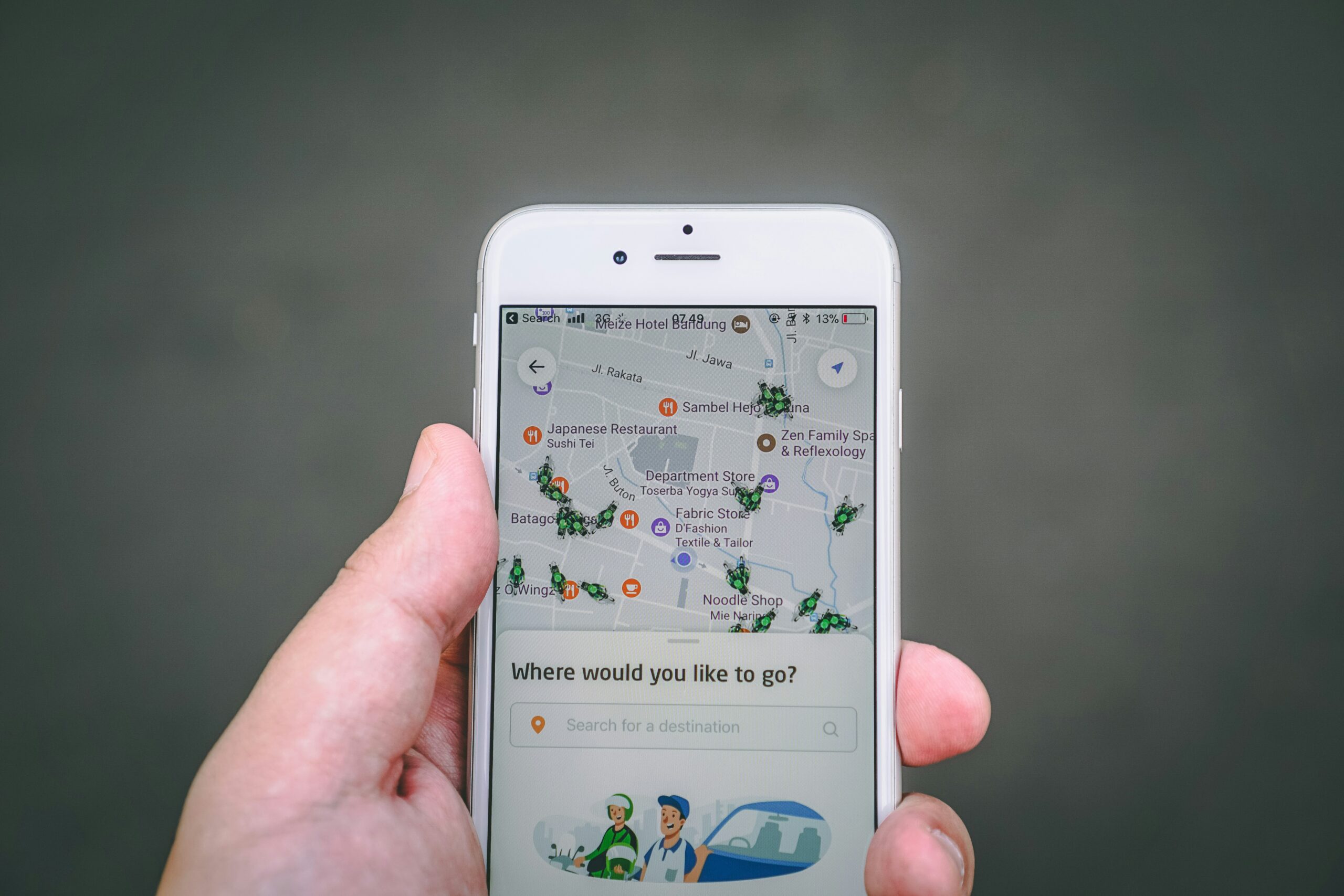
For example, instead of hailing a taxi on the street, book a reputable airport transfer service or use a ride-hailing app like Uber or Lyft. Similarly, choose a hotel or hostel with good reviews and a secure location.
4. Trust Your Instincts
If a situation feels off or uncomfortable, trust your instincts and remove yourself from the situation. Don’t hesitate to walk away or seek help if you feel threatened or unsafe. This applies to everything from a suspicious stranger to a dodgy taxi driver.
Remember, it’s always better to err on the side of caution. If you’re unsure about a situation, don’t take any risks – prioritize your safety above all else.
5. Be Mindful of Your Belongings
Keep your valuables secure and be aware of your surroundings to avoid theft or loss. Here are some tips:
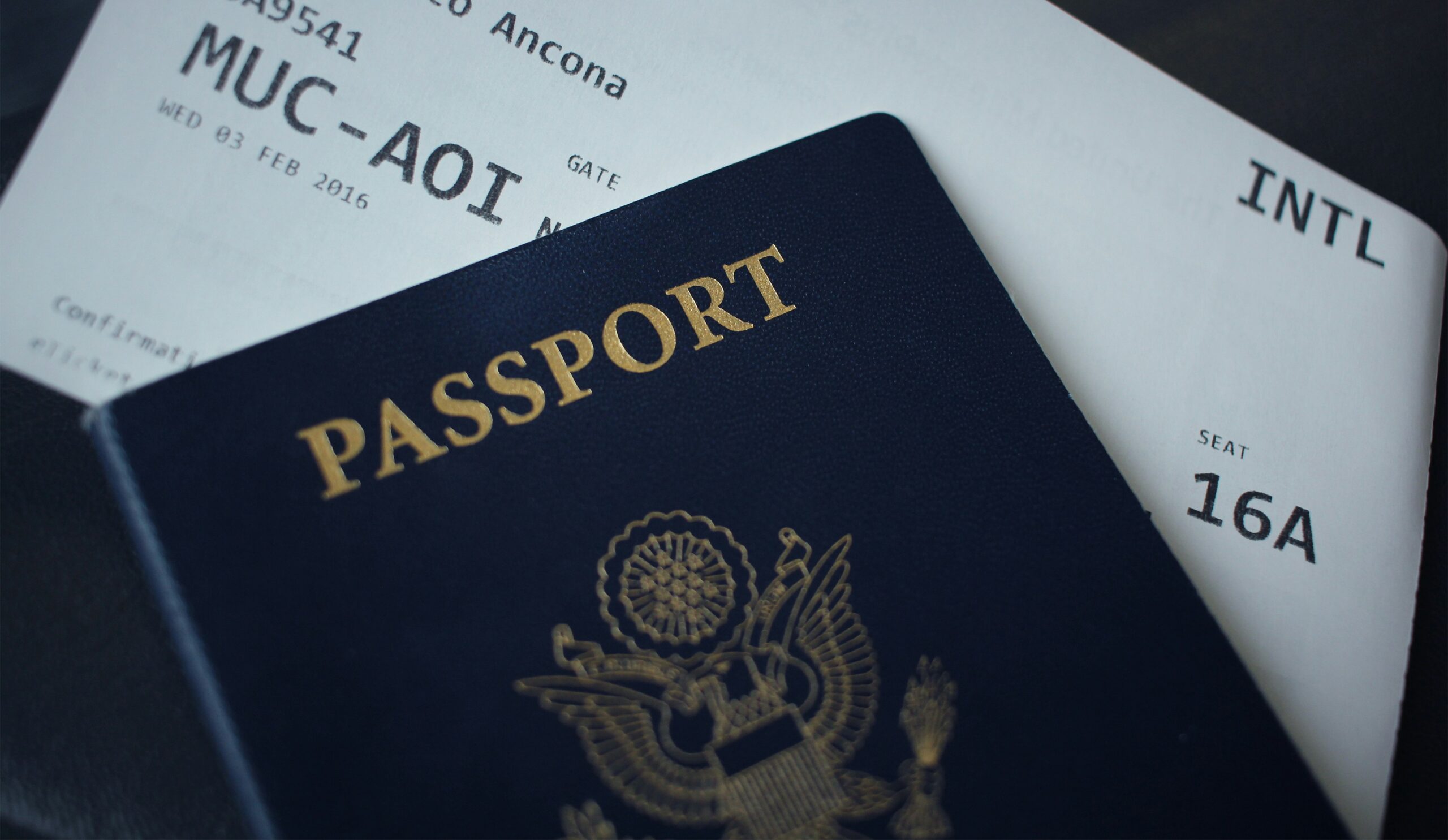
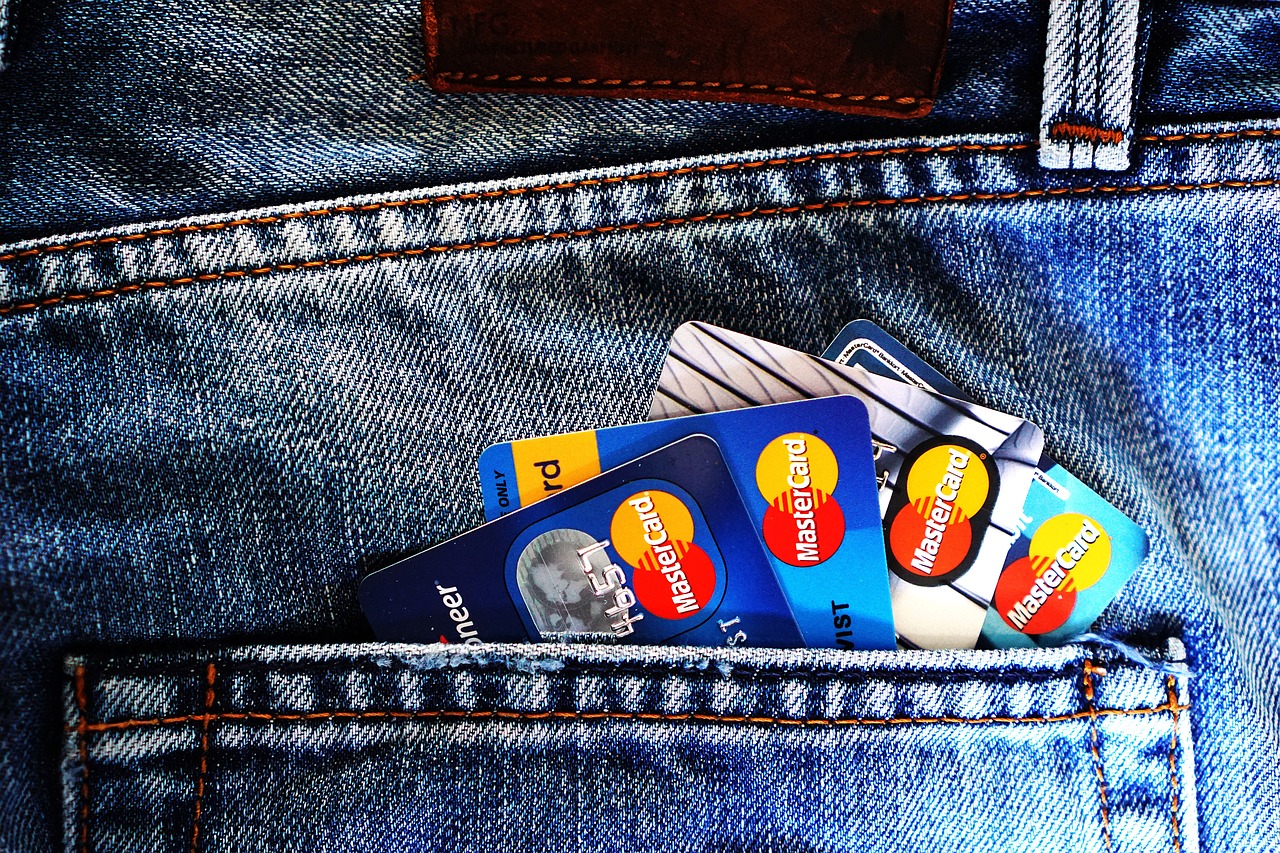
- Keep your passport, cash, and credit cards safe in a secure bag or money belt.
- Make digital copies of your important documents and leave them with a trusted friend or family member back home.
- Avoid carrying large amounts of cash and use ATMs or credit cards instead.
- Be cautious in crowded areas or tourist hotspots, where pickpocketing is more common.
6. Stay Healthy
Pack a travel health kit with essentials like pain relievers, antacids, and any prescription medications. Stay hydrated by drinking plenty of water, and take care of your physical and mental well-being.
- Research local healthcare options and know what to do in case of a medical emergency.
- Avoid eating undercooked food or drinking tap water in areas with questionable water quality.
- Get enough rest and take breaks when needed – solo travel can be exhausting, both physically and mentally.
7. Stay Informed
Stay up-to-date with local news and events to avoid getting caught in unexpected situations. Here are some ways to stay informed:
- Follow local news outlets or travel bloggers on social media.
- Download travel apps like TripIt or Google Trips, which provide real-time updates on your itinerary and destination.
- Register with your government’s travel advisory program, such as the US Department of State’s Smart Traveler Enrollment Program (STEP), which provides important safety and security updates about your destination.
By following these seven essential tips, you can minimize risks and stay safe while traveling alone. Remember to always prioritize your safety, trust your instincts, and be prepared for the unexpected. Happy travels!























Leave a Reply
You must be logged in to post a comment.