

















When it comes to long-term travel, having the right backpack can make all the difference. A good backpack can be a traveler’s best friend, providing comfort, convenience, and peace of mind. On the other hand, a bad backpack can be a constant source of frustration, discomfort, and financial stress. In this article, we’ll explore the key factors to consider when selecting the right backpack for long-term travel, with a focus on the financial implications of your choice.
Step 1: Determine Your Travel Style
Before you start shopping for a backpack, it’s essential to think about your travel style. Will you be hiking through rugged terrain, exploring cities, or relaxing on beaches? Will you be traveling solo or with a group? The answers to these questions will help you determine the type of backpack you need.
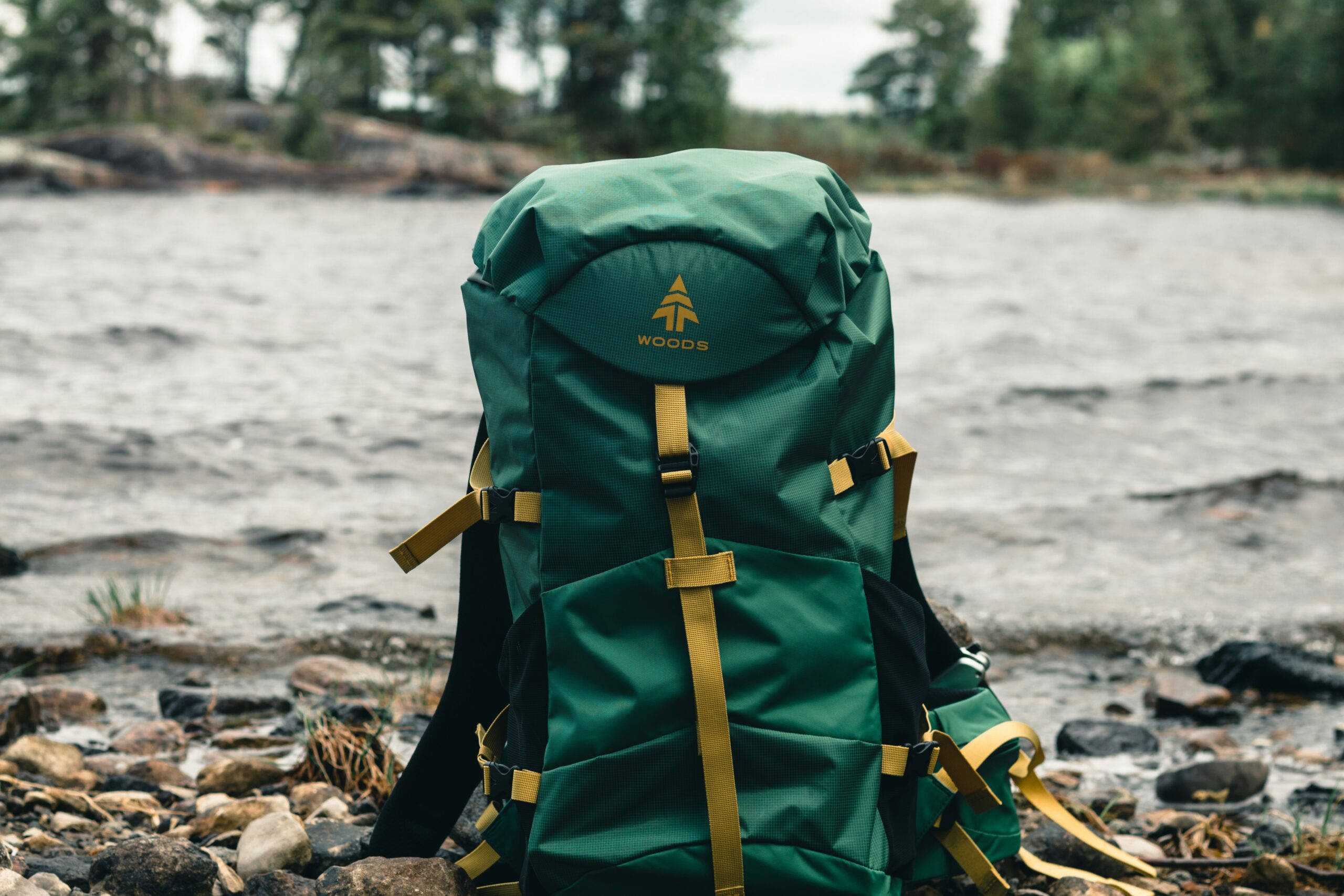
For example, if you plan to hike through the Himalayas, you’ll need a backpack with sturdy hip belts, multiple compartments, and weather-resistant material. On the other hand, if you’ll be exploring cities, a smaller, more agile backpack with easy access to your belongings might be a better fit.
Step 2: Consider the Length of Your Trip
The length of your trip is another critical factor to consider when selecting a backpack. If you’ll be traveling for an extended period, you’ll need a backpack that can withstand the wear and tear of constant use.
Look for a backpack with durable materials, reinforced seams, and sturdy zippers. A backpack with a lifetime warranty can also provide peace of mind and protect your investment.
Step 3: Think About Your Budget
When it comes to backpacks, you get what you pay for. A high-quality backpack may cost more upfront, but it can save you money in the long run by reducing the need for repairs, replacements, and lost or damaged items.
For example, a backpack with a waterproof lining can protect your belongings from rain and snow, saving you the cost of replacing damaged items. A backpack with multiple compartments can also help you stay organized, reducing the likelihood of lost or misplaced items.
Step 4: Evaluate the Weight and Size
The weight and size of your backpack are critical factors to consider, especially if you’ll be carrying it for extended periods. A backpack that is too heavy or too large can be a constant source of discomfort, fatigue, and frustration.
Look for a backpack with a comfortable shoulder harness, hip belt, and back panel. A backpack with a weight distribution system can also help reduce the strain on your body.
Step 5: Check the Features and Accessories
When evaluating backpacks, pay attention to the features and accessories that are included. Do you need a backpack with a built-in rain cover, laptop sleeve, or water bottle holder?
Consider the activities you’ll be doing and the items you’ll need to carry. For example, if you’ll be camping, you may need a backpack with a sleeping bag compartment and a water-resistant pocket for your tent.
Step 6: Read Reviews and Ask for Recommendations
Finally, read reviews and ask for recommendations from fellow travelers. What do they like and dislike about their backpacks? What features do they wish they had?
Websites like REI, Amazon, and Travel Backpack Reviews can provide valuable insights and help you narrow down your options.
The Financial Implications of Choosing the Right Backpack
Choosing the right backpack can have a significant impact on your finances. A high-quality backpack can save you money in the long run by:
- Reducing the need for repairs and replacements
- Protecting your belongings from damage or loss
- Reducing the likelihood of lost or misplaced items
- Providing comfort and convenience, reducing the need for expensive accommodations or transportation
On the other hand, a low-quality backpack can cost you money in the long run by:
- Requiring frequent repairs or replacements
- Damaging your belongings or causing them to be lost or stolen
- Causing discomfort and fatigue, leading to expensive medical bills or accommodations
- Reducing your productivity and enjoyment, leading to lost income or opportunities
Conclusion
Choosing the right backpack for long-term travel requires careful consideration of your travel style, trip length, budget, weight and size, features and accessories, and reviews. By taking the time to evaluate your options and select a high-quality backpack, you can save money, reduce stress, and enhance your overall travel experience.
Remember, a good backpack is an investment in your comfort, convenience, and financial well-being. Don’t be afraid to spend a little more upfront to get the right backpack for your needs. With the right backpack, you’ll be ready for whatever adventures come your way.
























Leave a Reply
You must be logged in to post a comment.