



















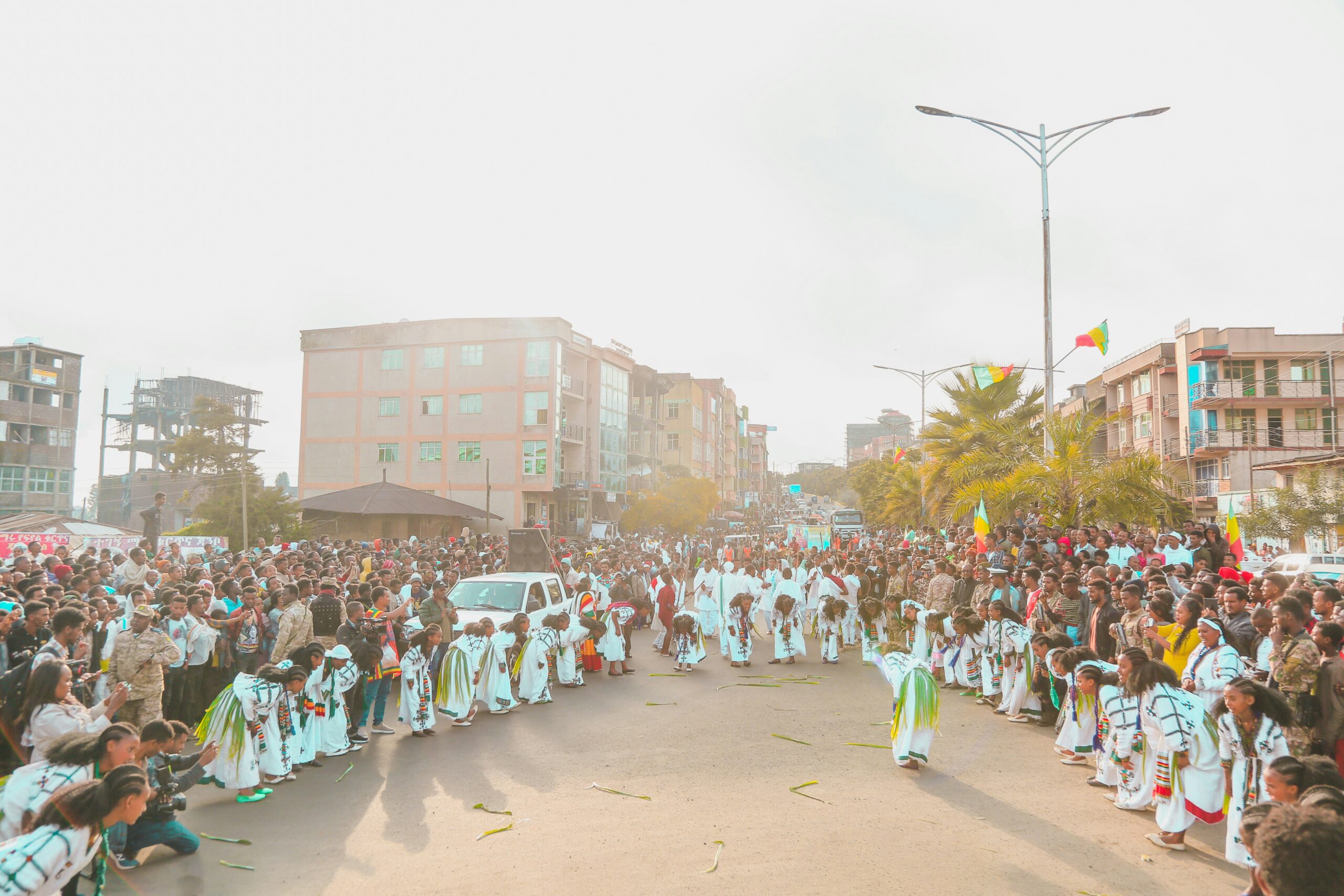
As the world becomes increasingly interconnected, cultural festivals have become an integral part of our social calendars. These vibrant celebrations offer a unique opportunity to experience the rich diversity of cultures, traditions, and customs that make our communities so fascinating. However, with great cultural exchange comes great responsibility. It’s essential to participate in cultural festivals respectfully, avoiding cultural appropriation and ensuring that your enthusiasm doesn’t inadvertently offend or disrespect the community being celebrated.
In this article, we’ll explore the dos and don’ts of participating in cultural festivals, providing you with practical tips and guidelines to make the most of these incredible events while showing respect and appreciation for the cultures being celebrated.
Step 1: Educate Yourself
Before attending a cultural festival, take some time to learn about the culture, customs, and traditions being celebrated. This will help you understand the significance of the festival, the symbolism behind the rituals and performances, and the etiquette expected of guests.
For example, if you’re attending a Diwali festival, research the significance of the festival of lights, the story of Rama and Sita, and the importance of diyas, rangoli, and sweets in Hindu culture. This knowledge will help you appreciate the festivities more deeply and avoid unintentionally offending someone.
Step 2: Dress Appropriately
Dress codes can be a sensitive topic, especially when it comes to cultural festivals. Avoid wearing clothing that appropriates or stereotypes the culture being celebrated. Instead, opt for respectful and modest attire that shows you’re making an effort to blend in.
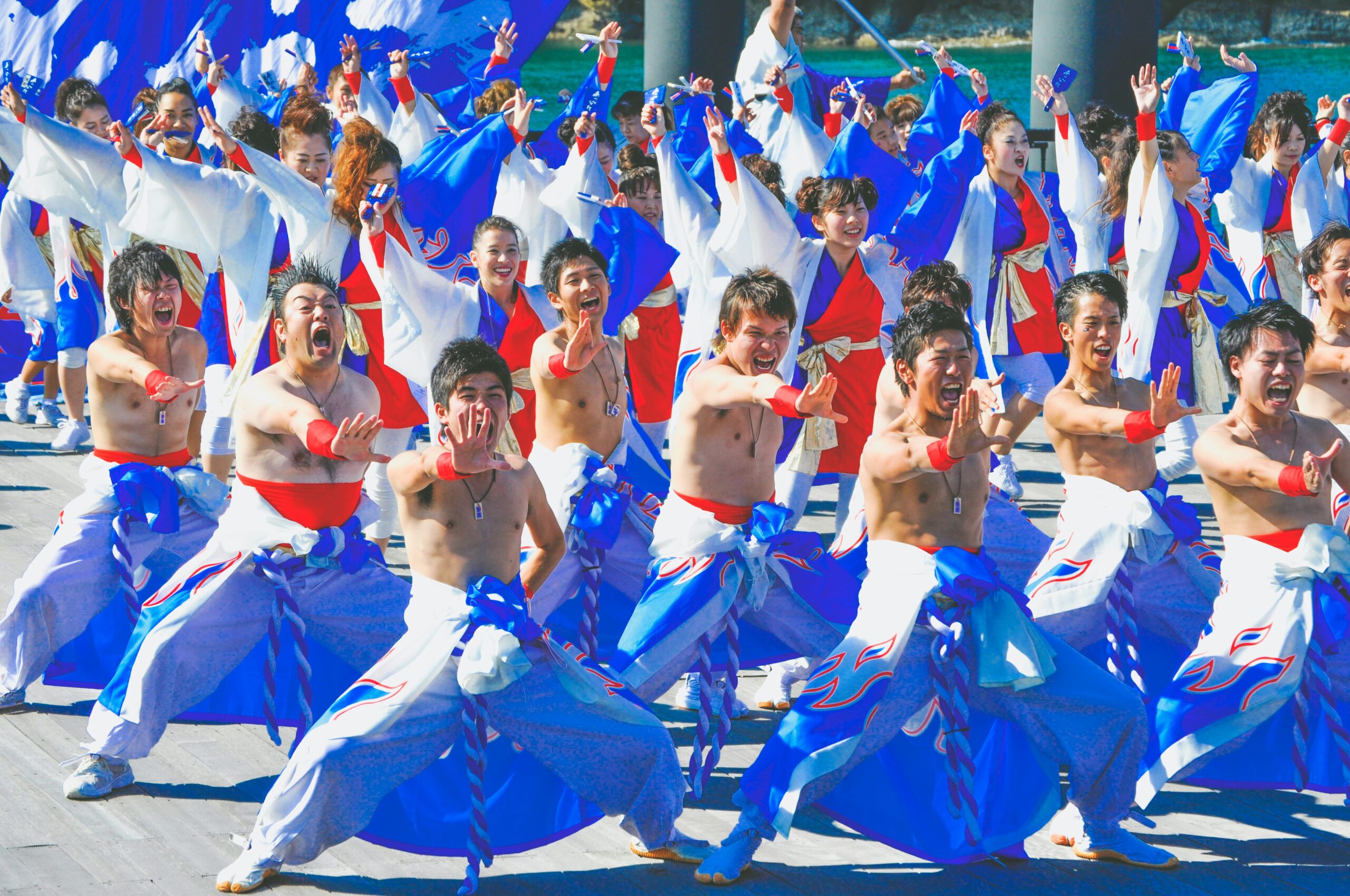
At a traditional Japanese festival, for instance, avoid wearing kimonos or geishas-inspired costumes, as these are sacred cultural symbols. Instead, wear comfortable, modest clothing that covers your shoulders and knees, and avoid revealing or flashy outfits.
Step 3: Be Mindful of Food and Drink
Food is an integral part of any cultural festival, and it’s essential to approach it with respect and caution. Avoid eating or drinking anything that you’re not familiar with, especially if you have dietary restrictions or allergies.
At a Muslim festival, for instance, avoid consuming pork or alcohol, as these are forbidden in Islamic culture. Instead, try traditional dishes like kebabs, falafel, or shawarma, and ask vendors about ingredients and cooking methods if you’re unsure.
Step 4: Respect Cultural Practices and Traditions
Cultural festivals often involve sacred rituals, performances, and ceremonies. It’s crucial to respect these practices and traditions, avoiding any behavior that might be seen as disrespectful or intrusive.
At a Native American powwow, for example, avoid taking photos or videos of sacred dances or ceremonies without permission. Also, refrain from touching or handling traditional regalia, as these are often sacred family heirlooms.
Step 5: Engage with the Community
Cultural festivals are an excellent opportunity to engage with the community and learn from their experiences. Approach vendors, performers, and attendees with respect and curiosity, asking questions and showing genuine interest in their culture.
At a Chinese New Year festival, for instance, take the time to learn about the significance of the dragon and lion dances, and ask vendors about the symbolism behind the decorations and food. This will help you build connections and show your appreciation for the culture.
Step 6: Be Aware of Your Privilege
It’s essential to acknowledge your privilege as a guest in someone else’s cultural celebration. Be aware of your position and avoid taking center stage or dominating conversations. Instead, listen, learn, and amplify the voices of the community being celebrated.
At an African American festival, for example, avoid dominating conversations about racism or social justice, and instead, listen to the experiences and perspectives of the community. This will help you build trust and show your commitment to allyship.
Conclusion
Participating in cultural festivals respectfully requires a combination of education, empathy, and self-awareness. By following these simple steps, you can ensure that your enthusiasm for cultural exchange doesn’t inadvertently offend or disrespect the community being celebrated.
Remember, cultural festivals are a celebration of diversity and inclusivity, and by showing respect and appreciation, you can help build bridges between communities and foster greater understanding and empathy.
So, go ahead and immerse yourself in the vibrant colors, sounds, and flavors of cultural festivals. Just remember to do it with respect, humility, and an open heart and mind. Happy celebrating!



















Leave a Reply
You must be logged in to post a comment.