





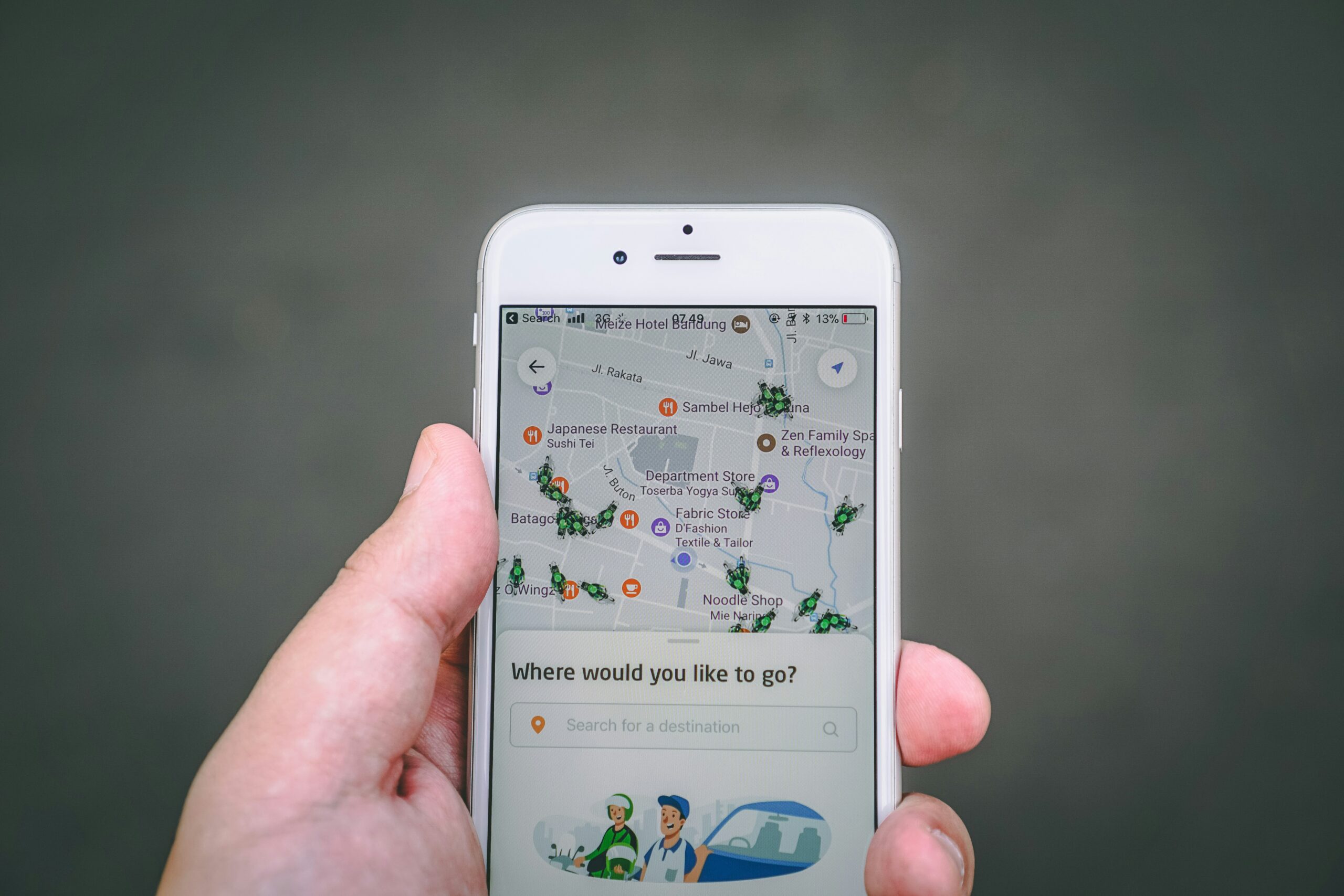







In today’s digital age, it’s easy to rely on our smartphones for navigation. However, there may be times when you find yourself without a reliable internet connection or a dead phone battery. That’s when knowing how to navigate using maps and basic orienteering skills can be a lifesaver. Whether you’re a seasoned hiker, a city dweller, or a road tripper, learning these essential skills can help you find your way and stay safe.
Understanding Maps
Before we dive into navigation, let’s start with the basics of map reading. A map is a two-dimensional representation of an area, with symbols, colors, and lines used to convey information. Here are some key elements to understand:
- Scale: The ratio of the distance on the map to the actual distance on the ground. A smaller scale means a larger area is represented, while a larger scale means a smaller area is shown in greater detail.
- Legend: The key or explanation of the symbols, colors, and lines used on the map.
- Orienting: Aligning the map with the surrounding environment by matching the map’s north-south orientation with the Earth’s magnetic field.
Basic Orienteering
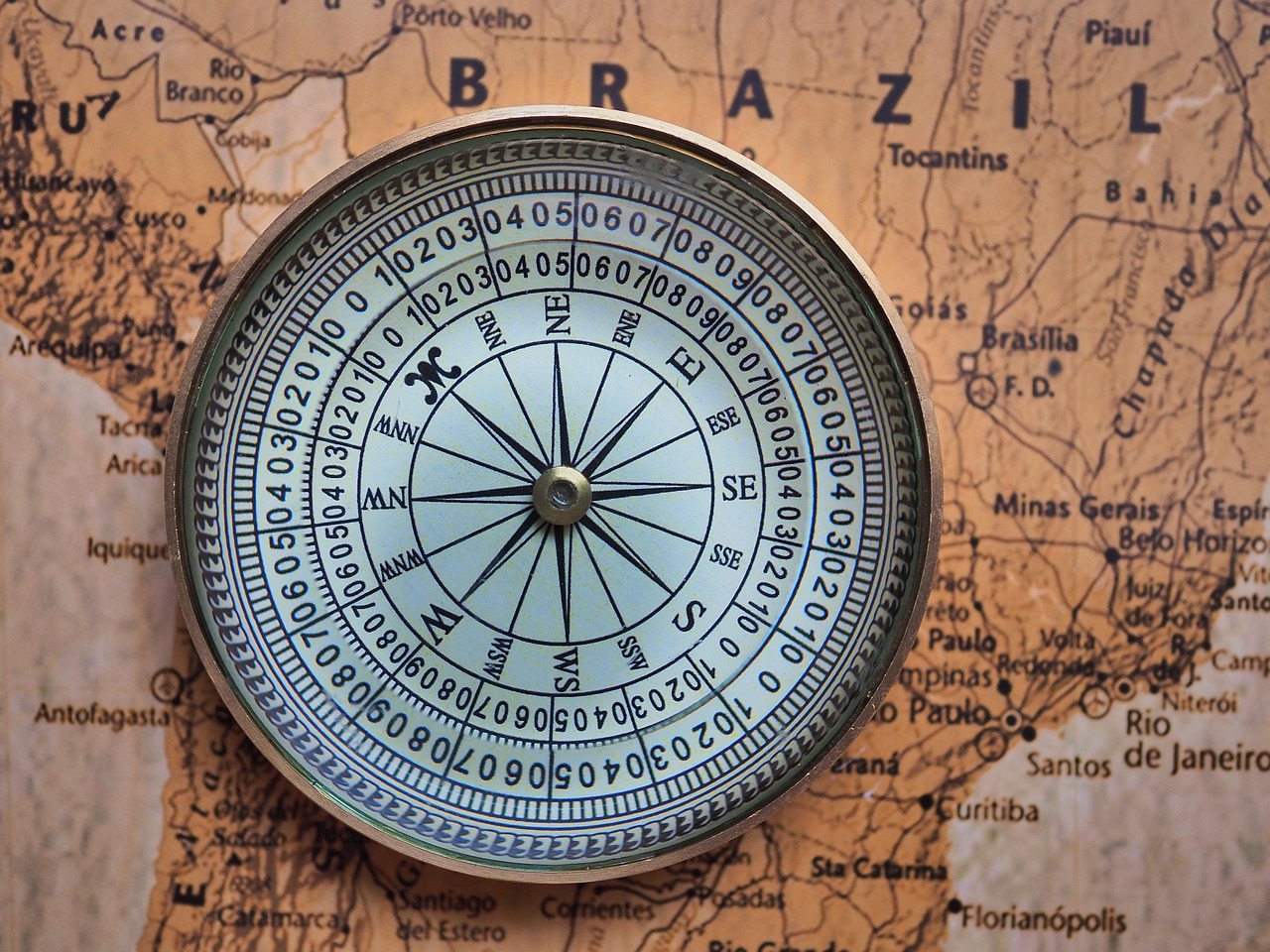
Orienteering is the practice of navigating using a map and compass. Here are some essential skills to get you started:
- Using a Compass: A compass is a simple tool that indicates direction. Hold the compass level, turn the bezel (the ring around the compass dial) to align the magnetic needle with the direction-of-travel arrow, and read the direction from the dial.
- Taking a Bearing: To take a bearing, hold the compass level, turn the bezel to align the magnetic needle with the direction-of-travel arrow, and read the direction from the dial. This gives you a precise direction to follow.
- Pacing: Measuring the distance you’ve traveled by counting your steps. This helps you estimate how far you’ve gone and when to expect to reach your destination.
Putting it All Together
Now that you have a basic understanding of maps and orienteering, let’s practice navigating using these skills. Here’s a step-by-step example:
- Orient the Map: Hold the map with the top edge pointing towards the direction you’re facing. Align the map’s north-south orientation with the Earth’s magnetic field using your compass.
- Identify Your Location: Look for recognizable landmarks, such as roads, buildings, or bodies of water, to determine your current location on the map.
- Determine Your Destination: Identify your desired destination on the map and draw a line between your current location and the destination.
- Take a Bearing: Use your compass to take a bearing from your current location to your destination. This gives you a precise direction to follow.
- Start Moving: Begin moving in the direction indicated by your bearing, using your map to stay on course.
- Pace Yourself: Measure your distance traveled by counting your steps. This helps you estimate how far you’ve gone and when to expect to reach your destination.
- Re-Orient and Adjust: Periodically re-orient your map and take new bearings to ensure you’re staying on course. Adjust your direction as needed to stay on track.
Real-World Applications
While these skills may seem old-fashioned in today’s digital age, they’re still essential for anyone who spends time outdoors or travels. Here are some real-world applications:
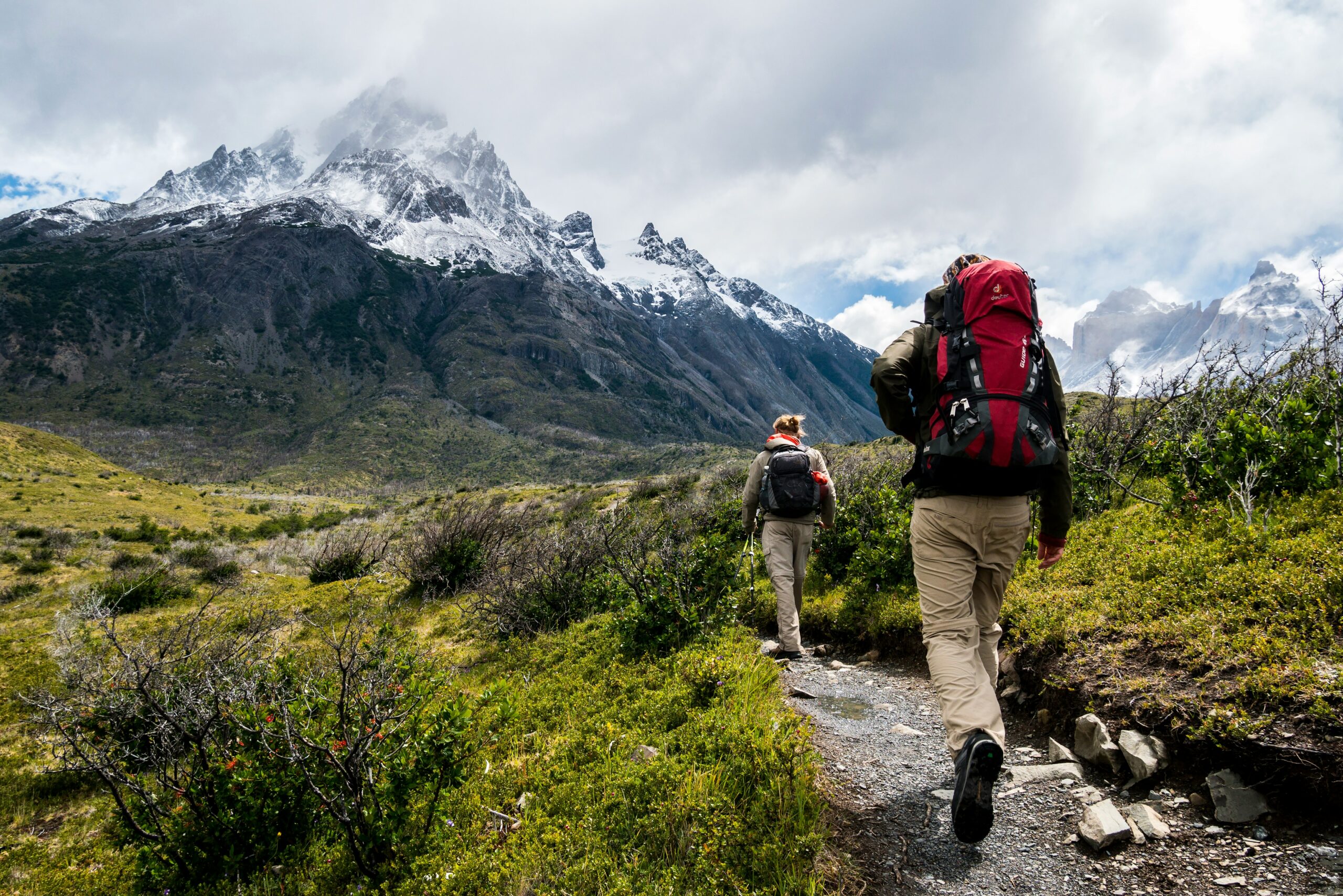
- Hiking and Backpacking: Knowing how to navigate using maps and compasses is crucial for safe and enjoyable hiking and backpacking trips.
- Road Trips: Even with GPS, it’s still important to know how to read a map and navigate using basic orienteering skills, especially in areas with limited cell service.
- Urban Navigation: Whether you’re exploring a new city or finding your way around a familiar one, knowing how to navigate using maps and basic orienteering skills can help you get where you need to go.
Conclusion
Navigating using maps and basic orienteering skills may seem like a lost art, but it’s still an essential skillset for anyone who wants to stay safe and find their way in the great outdoors. By understanding maps, using a compass, and practicing basic orienteering skills, you’ll be well-equipped to navigate any environment. So, next time you’re planning a hike, road trip, or urban adventure, take the time to brush up on these essential skills. You never know when they might come in handy.


















Leave a Reply
You must be logged in to post a comment.