


















Are you ready to embark on the trip of a lifetime? Whether you’re planning to hike the Inca Trail, go scuba diving in the Great Barrier Reef, or explore the ancient ruins of Machu Picchu, high-adventure travel can be an exhilarating experience. However, it’s essential to prepare carefully to ensure your safety and well-being.
In this article, we’ll guide you through the essential steps to take before you set off on your high-adventure journey. From researching your destination to packing the right gear, we’ll cover everything you need to know to stay safe and have an unforgettable adventure.
Step 1: Research, Research, Research
Before you book your trip, research your destination thoroughly. This is crucial to understanding the local environment, culture, and potential risks. Here are some key things to research:
- Weather and climate: Find out about the local weather patterns, including extreme weather conditions, such as hurricanes or heatwaves.
- Health and vaccination requirements: Check if you need any vaccinations or medications to protect yourself from diseases prevalent in the area.
- Local customs and laws: Familiarize yourself with local customs, laws, and regulations to avoid unintentionally offending locals or breaking the law.
- Safety concerns: Look into any safety concerns, such as high-crime areas, natural disasters, or political unrest.
For example, if you’re planning to hike in the Himalayas, research the local weather patterns, including the risk of altitude sickness, and learn about the necessary precautions to take.
Step 2: Get the Right Gear
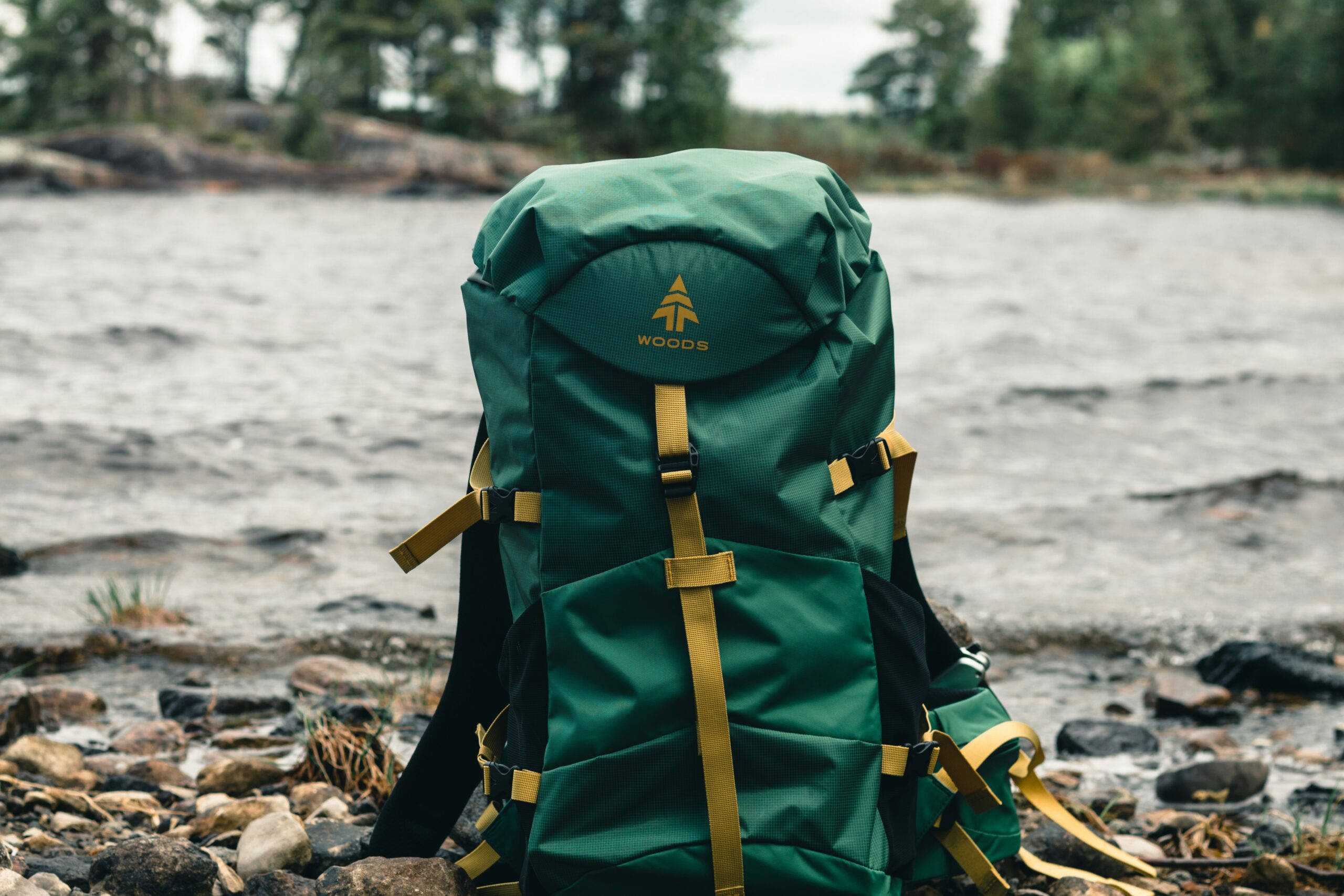
Packing the right gear is essential for high-adventure travel. Here are some essentials to consider:
- Clothing and footwear: Pack clothing and footwear suitable for the local climate and terrain. For example, if you’re going hiking, bring sturdy hiking boots and layers of breathable clothing.
- Safety equipment: Bring any necessary safety equipment, such as a first-aid kit, helmet, or life jacket, depending on your activity.
- Communication devices: Bring a reliable phone, a portable charger, and a two-way radio or satellite phone if you’ll be traveling to remote areas with limited cell coverage.
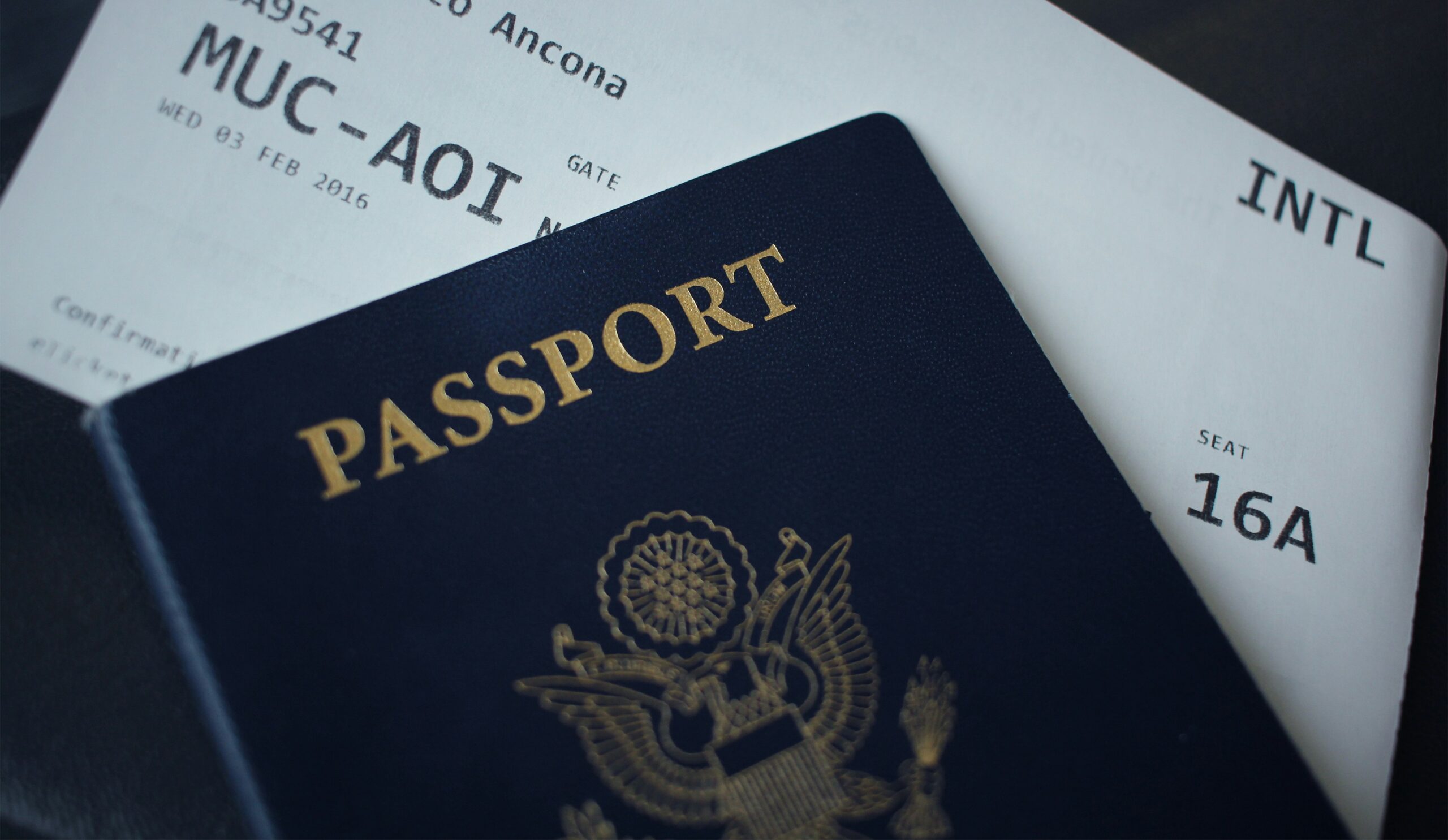
- Travel documents: Make sure you have all necessary travel documents, including your passport, visas, and travel insurance documents.
For instance, if you’re planning to go scuba diving, invest in a good-quality diving mask, snorkel, and fins, and don’t forget your certification card and dive computer.
Step 3: Plan for Emergencies
Even with careful planning, unexpected things can happen. That’s why it’s crucial to plan for emergencies. Here are some steps to take:
- Purchase travel insurance: Invest in travel insurance that covers emergency medical evacuation, trip cancellations, and delays.
- Register with your government: Register with your government’s travel advisory department to stay informed about local safety concerns and to make it easier for them to contact you in case of an emergency.
- Leave a copy of your itinerary: Leave a copy of your itinerary with a friend or family member, including your contact information and accommodation details.
- Stay connected: Make sure you have a reliable way to stay connected with family and friends back home, such as a phone or email.
For example, if you’re planning to travel to a high-risk area, consider purchasing additional insurance coverage, such as kidnapping and ransom insurance.
Step 4: Stay Healthy
High-adventure travel can be physically demanding, so it’s essential to stay healthy and fit before you travel. Here are some tips:
- Get vaccinated: Make sure you have all necessary vaccinations and medications to protect yourself from diseases prevalent in the area.
- Stay hydrated: Drink plenty of water to stay hydrated, especially in hot climates.
- Eat well: Fuel your body with a balanced diet, including plenty of fruits, vegetables, and whole grains.
- Get enough rest: Make sure you get enough rest and sleep before your trip to avoid fatigue.
For instance, if you’re planning to hike the Inca Trail, start training several months in advance to build up your endurance and stamina.
Step 5: Stay Informed
Finally, stay informed about local conditions and safety concerns throughout your trip. Here are some tips:
- Monitor local news: Stay up-to-date with local news and events to stay informed about any safety concerns or changes in local conditions.
- Follow local authorities: Follow local authorities, such as police or park rangers, on social media to stay informed about any safety concerns or advisories.
- Stay connected with your group: If you’re traveling with a group, stay connected with your group members and leaders to stay informed about any changes in the itinerary or safety concerns.
For example, if you’re traveling to an area prone to natural disasters, stay informed about weather conditions and follow local authorities’ instructions in case of an emergency.
Conclusion
High-adventure travel can be an exhilarating experience, but it’s essential to prepare carefully to ensure your safety and well-being. By researching your destination, packing the right gear, planning for emergencies, staying healthy, and staying informed, you can minimize risks and have an unforgettable adventure. Remember to stay realistic, be prepared for the unexpected, and always prioritize your safety. Happy travels!























Leave a Reply
You must be logged in to post a comment.