




















When venturing outdoors, it’s essential to consider the two most critical factors that can impact your safety: weather and terrain. Understanding how these elements interact with each other and with your surroundings can mean the difference between a safe and enjoyable experience and a potentially disastrous one. In this article, we’ll explore the ways in which weather and terrain can influence outdoor safety, providing you with the knowledge you need to make informed decisions and stay safe in the great outdoors.
Weather: The Unpredictable Factor
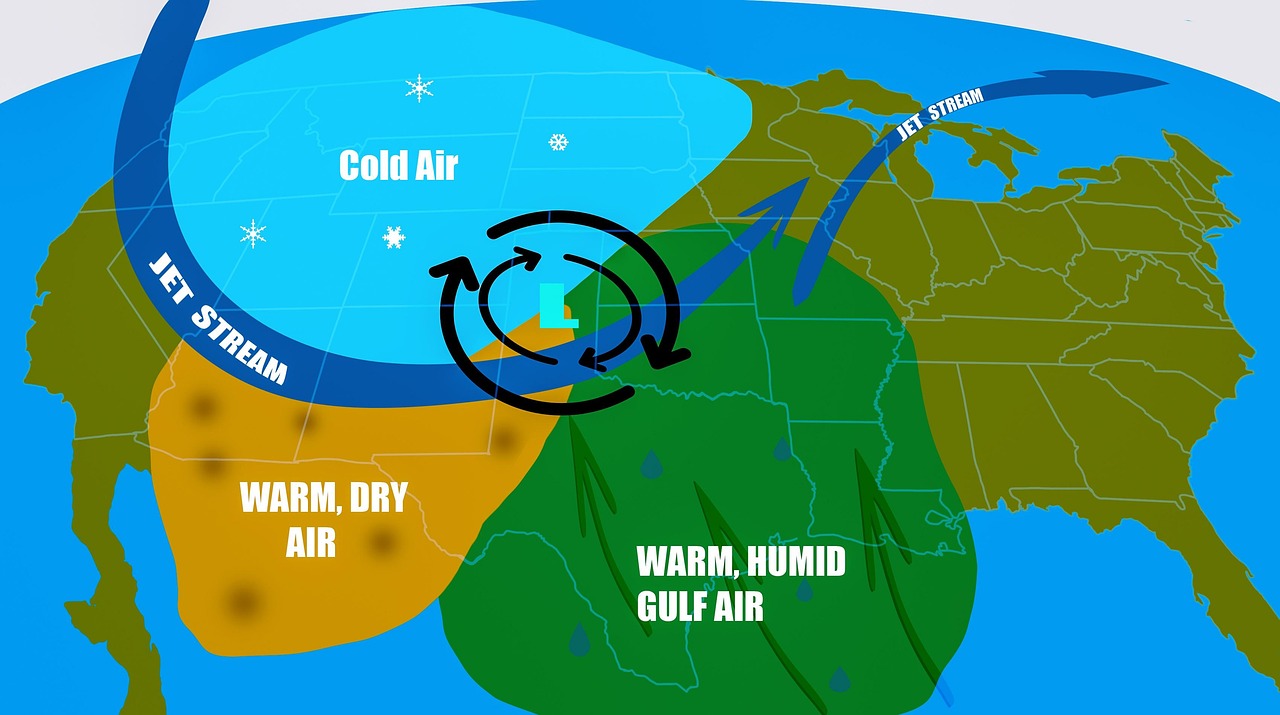
Weather is perhaps the most unpredictable aspect of outdoor safety. It can change rapidly, catching even the most experienced outdoor enthusiasts off guard. When planning an outdoor adventure, it’s crucial to monitor weather forecasts and be prepared for unexpected changes.
Temperature Extremes
Temperature extremes can be deadly. Prolonged exposure to extreme heat or cold can lead to heatstroke, hypothermia, or even death. It’s essential to dress appropriately for the weather, wearing layers that can be easily added or removed as needed. For example, if you’re hiking in the desert, wear light, breathable clothing and a hat to protect yourself from the scorching sun. In contrast, if you’re skiing in the mountains, wear layers of warm, moisture-wicking clothing to stay warm and dry.
Precipitation and Water Safety
Rain, snow, and hail can all pose significant risks to outdoor safety. Flash flooding, landslides, and slippery terrain are just a few of the hazards associated with precipitation. When venturing outdoors in wet weather, be sure to wear waterproof clothing and footwear, and avoid crossing fast-moving water or steep terrain. For example, if you’re hiking in a rainforest, be aware of the risk of flash flooding and avoid crossing rivers or streams during heavy rainfall.
Wind and Storms
Strong winds and storms can be particularly hazardous, especially in areas with loose terrain or tall trees. Wind can cause trees to topple, and storms can bring lightning, hail, and powerful gusts. When venturing outdoors in windy or stormy weather, be sure to avoid areas with loose terrain, and seek shelter immediately if you hear thunder or see lightning.
Terrain: The Unforgiving Environment
Terrain is the second critical factor influencing outdoor safety. The landscape itself can pose significant risks, from steep cliffs and rocky terrain to fast-moving water and dense forests.
Elevation and Slope
Elevation and slope can be particularly hazardous, especially for those who are not accustomed to high altitudes or steep terrain. Altitude sickness can occur when the body is unable to adapt to high elevations, leading to headaches, nausea, and even death. When venturing outdoors in high-elevation areas, be sure to ascend gradually, taking regular breaks to acclimate to the changing elevation.
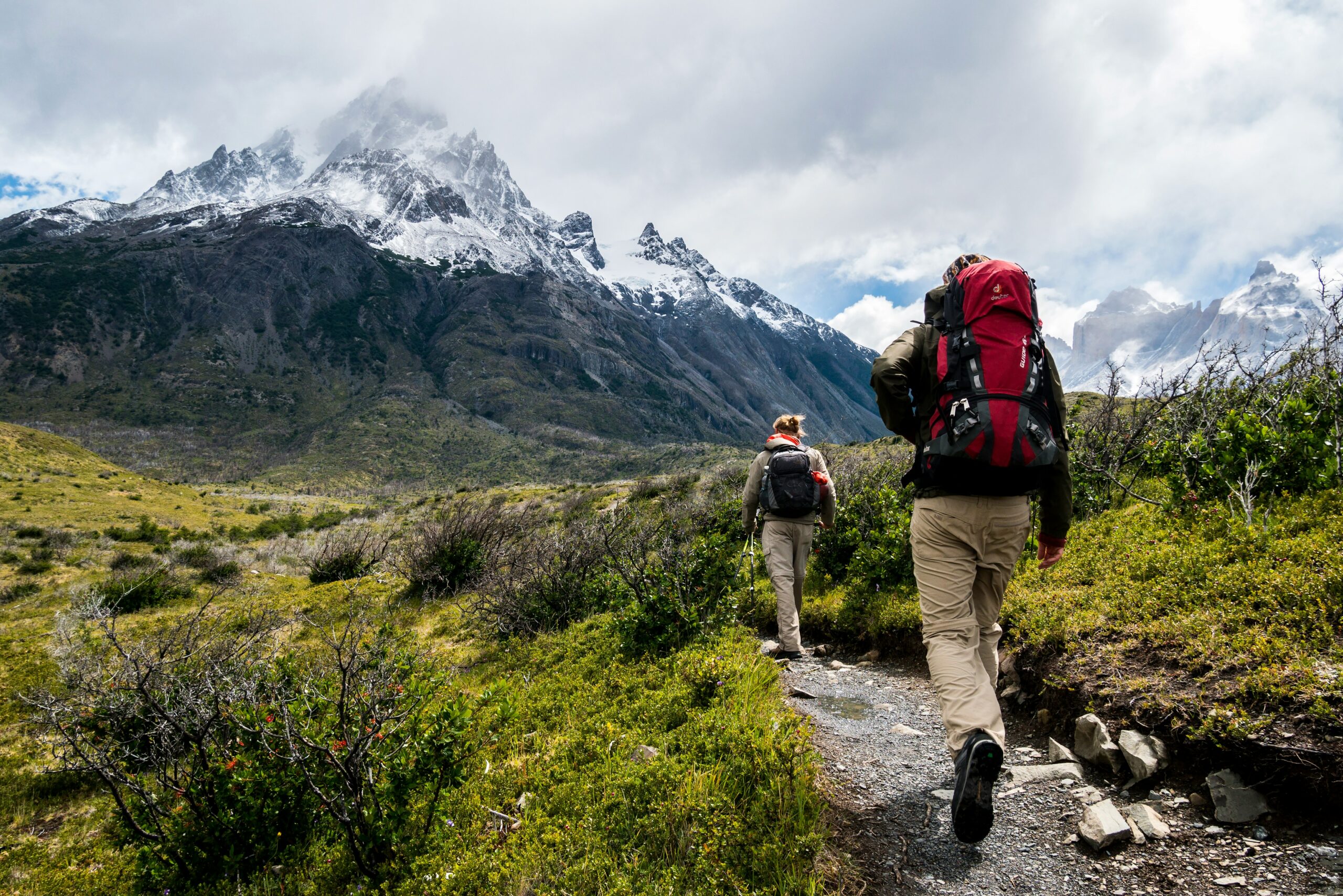
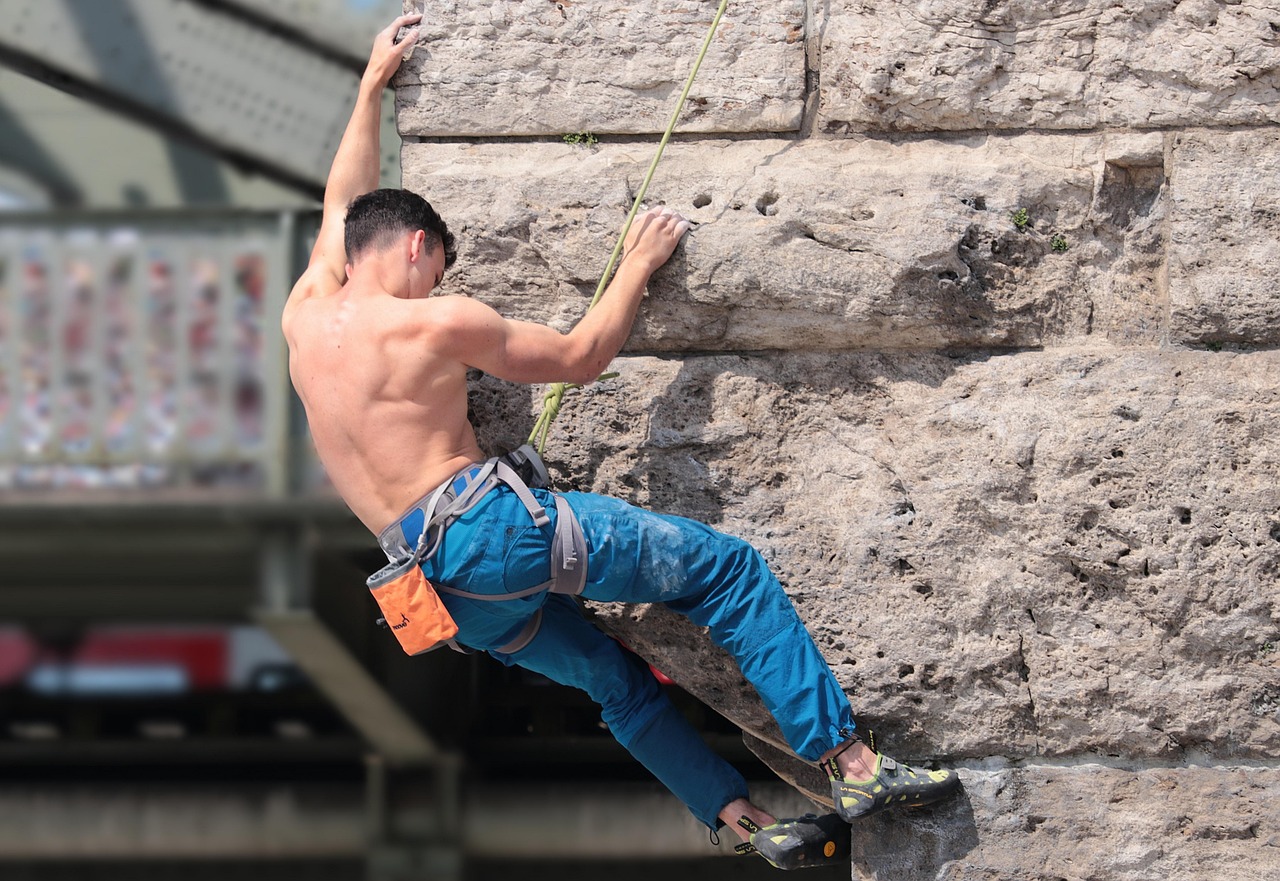
Steep slopes can also be treacherous, especially when combined with loose terrain or inclement weather. When hiking or climbing in steep terrain, be sure to wear appropriate footwear and use trekking poles or other safety equipment to maintain balance and stability.
Water Safety
Rivers, lakes, and oceans can all pose significant risks to outdoor safety. Fast-moving water can sweep you away, and strong currents can pull you underwater. When venturing outdoors near water, be sure to wear a personal flotation device (PFD) and avoid swimming or wading in areas with strong currents or deep water.
Vegetation and Wildlife
Dense vegetation and wildlife can also pose risks to outdoor safety. In areas with dense vegetation, be aware of the risk of getting lost or encountering wildlife, such as snakes, bears, or other predators. When venturing outdoors in areas with dense vegetation, be sure to stay on marked trails, wear protective clothing, and make noise to avoid surprising wildlife.
Best Practices for Outdoor Safety
While weather and terrain can pose significant risks to outdoor safety, there are several best practices you can follow to minimize these risks and stay safe in the great outdoors.
Monitor Weather Forecasts
Before venturing outdoors, monitor weather forecasts to anticipate any potential weather-related hazards. Check the forecast regularly, and be prepared to change your plans if the weather looks unfavorable.
Choose Appropriate Gear
Choose gear that is appropriate for the weather and terrain you’ll be encountering. Wear layers, bring a first aid kit, and carry a map and compass or GPS device to stay on track.
Stay Informed
Stay informed about the terrain and potential hazards you’ll be encountering. Research the area, talk to locals, and read signs and warnings to stay aware of potential risks.
Bring a Buddy
Whenever possible, bring a buddy or join a guided group to venture outdoors. This can provide an added layer of safety, as well as someone to help in case of an emergency.
Stay Flexible
Stay flexible and be prepared to change your plans if the weather or terrain becomes hazardous. Don’t take unnecessary risks, and prioritize safety above all else.
Conclusion
Weather and terrain are the two most critical factors influencing outdoor safety. By understanding how these elements interact with each other and with your surroundings, you can make informed decisions and stay safe in the great outdoors. Remember to monitor weather forecasts, choose appropriate gear, stay informed, bring a buddy, and stay flexible to minimize risks and enjoy a safe and enjoyable outdoor adventure.























Leave a Reply
You must be logged in to post a comment.