















Are you ready to escape the hustle and bustle of daily life and immerse yourself in nature? Multi-day backcountry trips offer a unique opportunity to disconnect from the world and reconnect with yourself and the great outdoors. However, planning such a trip requires careful consideration and attention to detail to ensure a safe and enjoyable experience. In this article, we’ll guide you through the key steps to plan a successful multi-day backcountry trip.
Step 1: Define Your Trip Objectives
Before you start planning, take some time to reflect on what you want to achieve from your trip. Ask yourself:
- What type of terrain do I want to explore (e.g., mountains, forests, deserts)?
- How many days do I want to spend in the backcountry?
- What is my budget for the trip?
- What are my physical limitations and capabilities?
- Do I want to solo hike or join a group?
- Are there any specific skills or experiences I want to gain (e.g., backpacking, rock climbing, wildlife viewing)?
Having clear objectives will help you focus your planning and make informed decisions throughout the process.
Step 2: Choose Your Destination
With your trip objectives in mind, it’s time to select a destination that meets your criteria. Consider factors such as:
- Accessibility: How far is the trailhead from my starting point, and what’s the transportation situation like?
- Terrain: Does the terrain match my desired level of difficulty and scenic appeal?
- Weather: What are the typical weather conditions during my planned trip dates?
- Regulations: Are there any permits, fees, or restrictions I need to be aware of?
- Services: Are there any nearby towns or services (e.g., food, water, medical) that I can rely on in case of an emergency?
Research online, consult with outdoor enthusiasts, and study maps to find the perfect destination for your multi-day backcountry trip.
Step 3: Plan Your Itinerary
Once you’ve chosen your destination, create a detailed itinerary that outlines your daily schedule, including:
- Trailhead and campsite locations
- Daily mileage and elevation gain
- Rest days and contingency plans
- Meal planning and food storage
- Emergency contact information and protocols
A well-planned itinerary will help you stay on track, manage your time effectively, and make adjustments as needed.
Step 4: Pack Essential Gear
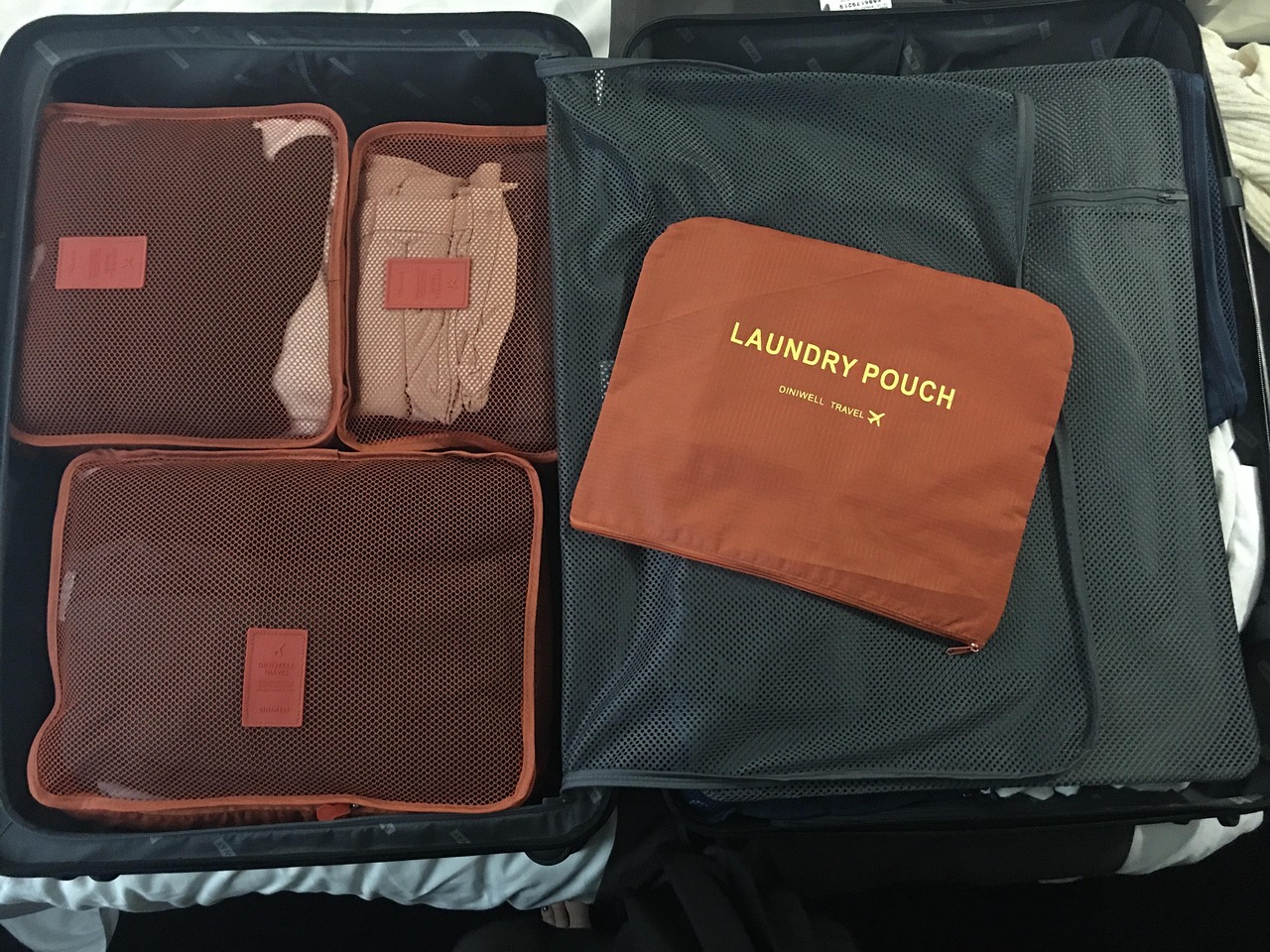
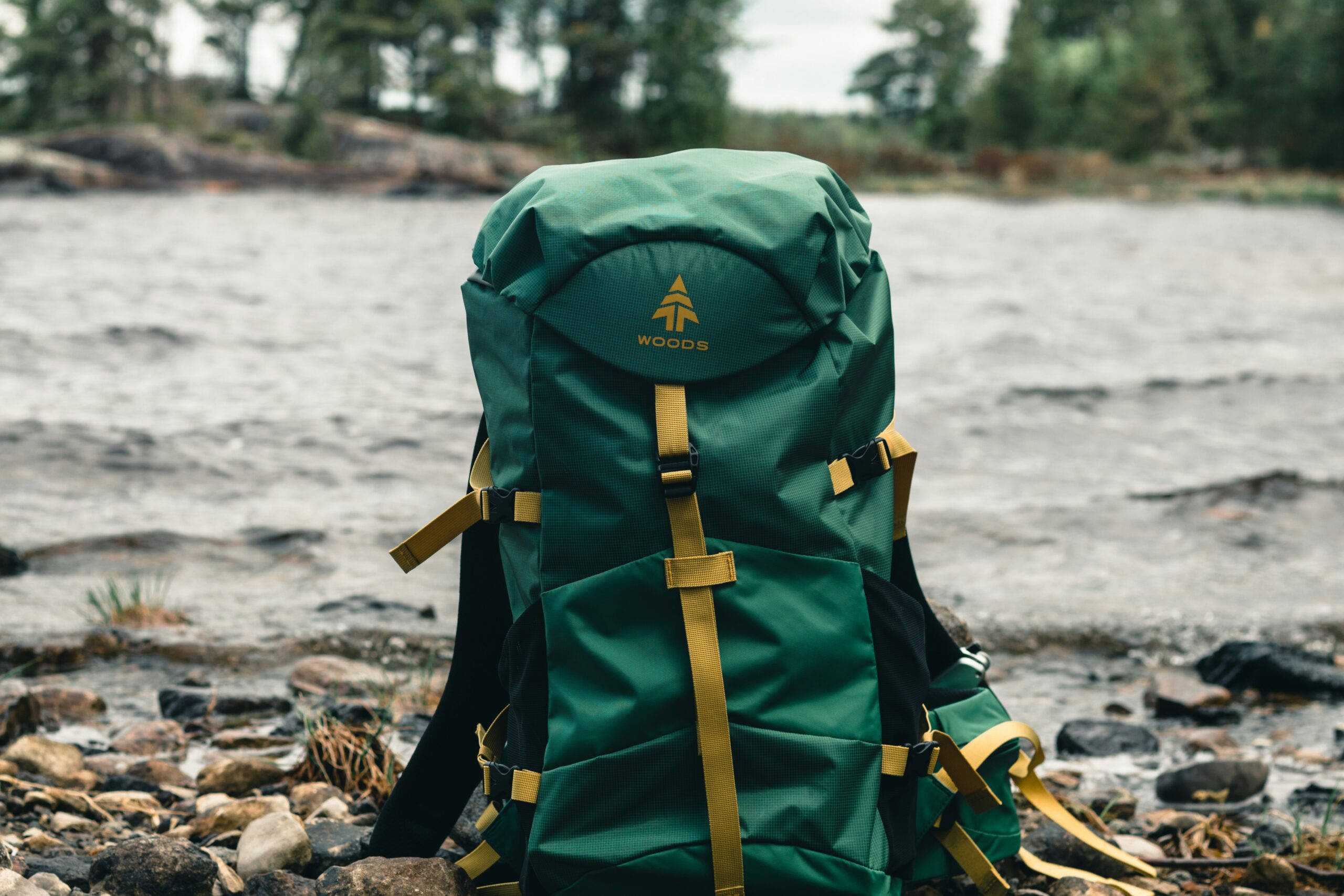
A multi-day backcountry trip requires careful packing to ensure you have the necessary gear for safety, comfort, and enjoyment. Essential items include:
- Backpack and rain gear
- Sleeping bag and pad
- Tent and camping accessories
- Navigation tools (e.g., map, compass, GPS)
- First aid kit and emergency supplies
- Clothing and footwear for varying weather conditions
- Food and water storage containers
- Stove and cooking gear
- Personal hygiene items
Remember to check the weather forecast and adjust your packing list accordingly. It’s also a good idea to check with local outfitters or outdoor gear stores for any specific regulations or recommendations.
Step 5: Prepare Physically and Mentally
A multi-day backcountry trip can be physically and mentally demanding. To ensure a successful trip, make sure you:
- Train and condition yourself for the physical demands of backpacking
- Practice camping and outdoor skills (e.g., setting up a tent, building a fire)
- Develop a mindset that’s flexible, patient, and adaptable to changing conditions
- Bring a positive attitude and a sense of humor to help navigate challenges
Step 6: Plan for Emergencies
Even with careful planning, emergencies can arise. Be prepared by:
- Carrying a personal locator beacon (PLB) or satellite phone
- Knowing basic first aid and wilderness survival skills
- Bringing a repair kit with essentials (e.g., duct tape, safety pins)
- Having a plan for inclement weather or wildlife encounters
- Leaving a detailed itinerary with a trusted friend or family member
Step 7: Execute and Adapt
The final step is to execute your plan and be prepared to adapt to changing circumstances. Remember to:
- Stay flexible and open to adjusting your itinerary as needed
- Monitor weather conditions and adjust your route accordingly
- Take regular breaks and prioritize self-care
- Enjoy the experience and take time to appreciate the beauty around you
By following these seven steps, you’ll be well-prepared for a successful and enjoyable multi-day backcountry trip. Remember to stay safe, be respectful of the environment, and have fun!






















Leave a Reply
You must be logged in to post a comment.