

















When planning a trip, it’s easy to get caught up in the excitement of exploring a new destination. However, it’s essential to be mindful of your budget and avoid falling prey to tourist traps and overpriced attractions. Not only can these expenses add up quickly, but they can also detract from the overall quality of your travel experience.
In this article, we’ll provide you with practical tips and strategies to help you navigate the world of tourist attractions and avoid overspending. By following these steps, you’ll be able to make the most of your travel budget and enjoy a more authentic, cost-effective experience.
Step 1: Research, Research, Research
Before you even arrive at your destination, do your research. Look up top attractions, read reviews, and check prices. Websites like TripAdvisor, Lonely Planet, and travel blogs can provide valuable insights into what to expect and what to avoid.
For example, let’s say you’re planning a trip to Paris. You’ve heard about the famous Louvre Museum, but you’re not sure if it’s worth the steep admission price. A quick online search reveals that the museum offers free admission on certain days of the week and at specific times of the year. You can also find tips on how to avoid long lines and make the most of your visit.
Step 2: Set a Budget and Prioritize
Once you have an idea of what attractions and activities you want to experience, set a realistic budget and prioritize your spending. Decide what’s most important to you and allocate your funds accordingly.
Let’s say you have a daily budget of $100 per person. You’ve identified three must-see attractions: the Eiffel Tower, the Louvre, and a Seine River cruise. You can allocate your budget as follows:
- Eiffel Tower: $30 per person
- Louvre: $20 per person (free admission on a specific day)
- Seine River cruise: $20 per person
By setting a budget and prioritizing your spending, you can avoid overspending and make the most of your travel budget.
Step 3: Look for Alternative Options
Just because an attraction is popular doesn’t mean it’s the best option. Look for alternative activities and attractions that offer similar experiences at a lower cost.
For example, instead of taking a pricey guided tour of the Colosseum in Rome, consider exploring the surrounding area on your own. You can walk through the ancient Roman Forum and visit the Pantheon, both of which are free or low-cost.
Step 4: Avoid Overpriced Food and Drink
When you’re on vacation, it’s easy to get caught up in the convenience of overpriced food and drink vendors. However, these expenses can quickly add up and blow your budget.
Instead, consider buying snacks and sandwiches at local markets or grocery stores. You can also look for restaurants and cafes that offer affordable, authentic meals.
In Paris, for example, you can find delicious, affordable croissants and pastries at local bakeries. In Rome, look for trattorias that offer fixed-price menus (called “menu del giorno”) for a fraction of the cost of a fancy restaurant.
Step 5: Be Wary of Scams and Touts
Unfortunately, tourist areas are often plagued by scammers and touts looking to take advantage of unsuspecting visitors. Be wary of anyone approaching you with “deals” or “discounts” that seem too good to be true.
In popular destinations like New York City, be cautious of street vendors selling fake or low-quality goods. In Europe, watch out for pickpocketing scams in crowded areas and tourist hotspots.
Step 6: Consider Off-Peak Travel
One of the best ways to avoid tourist traps and overpriced attractions is to travel during the off-season. Not only will you avoid the crowds, but you’ll also find lower prices on accommodations, attractions, and activities.
In the Caribbean, for example, consider traveling during the summer months when prices are lower and the crowds are smaller. In Europe, visit during the spring or fall when the weather is still pleasant and the tourist season hasn’t yet peaked.
Step 7: Use Travel Apps and Guides
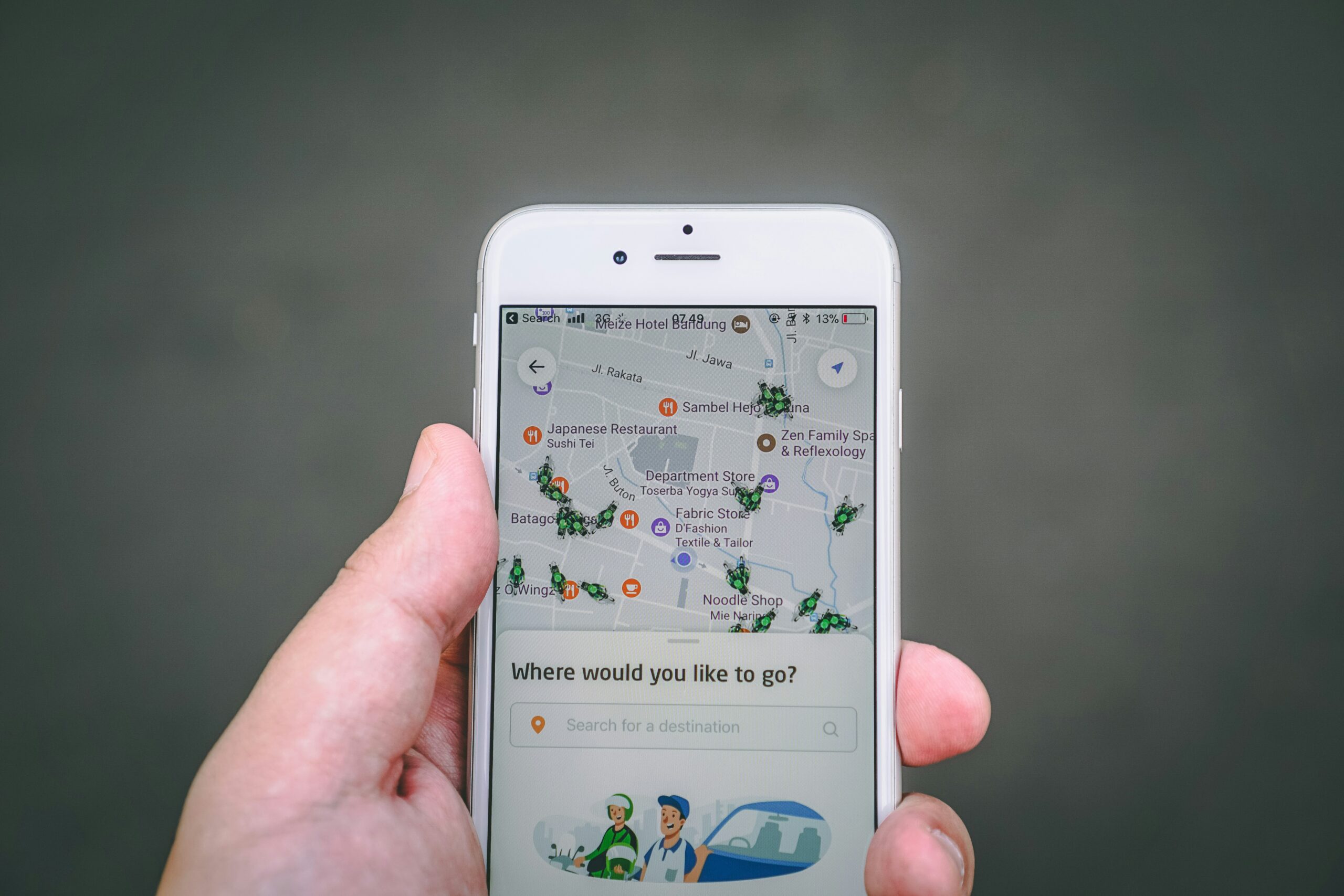
Finally, take advantage of travel apps and guides that can help you navigate your destination and avoid tourist traps. Apps like Google Trips, TripIt, and Rome2rio can provide you with personalized itineraries, maps, and travel tips.
In addition, consider purchasing guidebooks or travel guides that offer insider tips and advice on avoiding overpriced attractions and finding affordable alternatives.
Conclusion
By following these seven steps, you can avoid tourist traps and overpriced attractions and make the most of your travel budget. Remember to research, set a budget, prioritize your spending, look for alternative options, avoid overpriced food and drink, be wary of scams and touts, consider off-peak travel, and use travel apps and guides to navigate your destination.
With a little planning and preparation, you can enjoy a more authentic, cost-effective travel experience that won’t break the bank. Happy travels!





















Leave a Reply
You must be logged in to post a comment.