














As the world becomes increasingly interconnected, traveling to new destinations has become more accessible than ever. Whether you’re embarking on a family vacation, a business trip, or an adventure of a lifetime, it’s essential to prepare for the unique challenges that come with altitude and temperature changes. In this article, we’ll provide you with practical tips and advice on how to prepare for altitude and temperature changes, ensuring a safe and enjoyable journey.
Understanding Altitude and Temperature Changes
Before we dive into the preparation tips, it’s crucial to understand the effects of altitude and temperature changes on the human body.
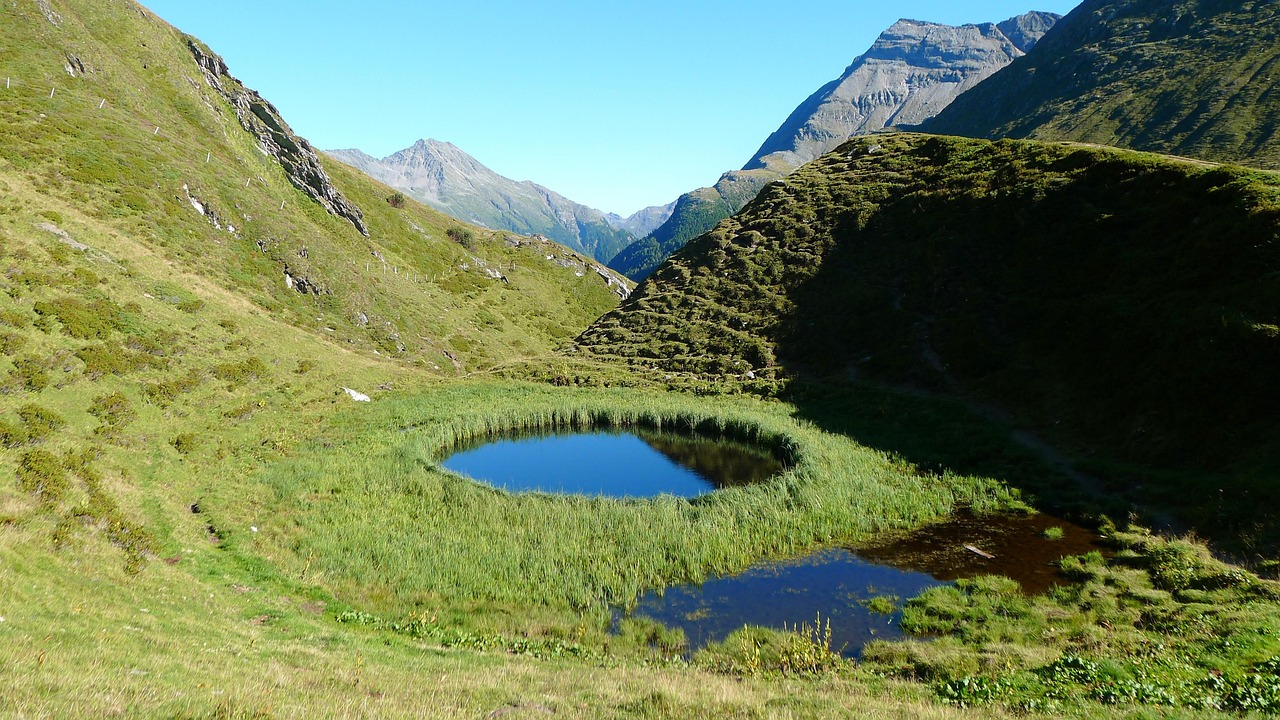
- Altitude: As you ascend to higher elevations, the air pressure decreases, and the oxygen levels in the air diminish. This can lead to altitude sickness, also known as acute mountain sickness (AMS). Symptoms include headaches, nausea, fatigue, and shortness of breath.
- Temperature Changes: Extreme temperatures can cause dehydration, heat exhaustion, and even hypothermia. Prolonged exposure to cold temperatures can lead to frostbite, while excessive heat can cause heat strokes.
Preparing for Altitude Changes
To minimize the risk of altitude sickness, follow these steps:
1. Acclimatize Gradually: When traveling to high-altitude destinations, try to ascend gradually. For example, if you’re planning to visit Cusco, Peru (11,150 ft), consider stopping in Lima (5,000 ft) for a few days before heading to Cusco.
2. Stay Hydrated: Drink plenty of water to help your body adjust to the lower oxygen levels. Aim to drink at least 3-4 liters of water per day.
3. Avoid Strenuous Activities: Take it easy for the first few days at high altitude. Avoid intense physical activities, and opt for gentle exercises like yoga or short walks.
4. Monitor Your Body: Be aware of your body’s response to altitude changes. If you experience symptoms like headaches, nausea, or fatigue, seek medical attention immediately.
5. Consider Medication: If you have a history of altitude sickness or are traveling to extremely high elevations, consult your doctor about taking medication like Diamox to help alleviate symptoms.
Preparing for Temperature Changes
To prepare for extreme temperatures, follow these steps:
1. Pack Wisely: Research your destination’s climate and pack accordingly. Bring layers for cold weather, and light, breathable clothing for hot weather.
2. Stay Hydrated: Drink plenty of water to stay hydrated, especially in hot weather. Aim to drink at least 2-3 liters of water per day.
3. Protect Your Skin: Wear sunscreen with a high SPF, and apply it frequently. In cold weather, wear warm, layered clothing, and protect your face and hands from wind and cold.
4. Plan Your Activities: Plan your activities according to the temperature. Avoid intense physical activities during the hottest part of the day, and opt for indoor activities during extreme cold.
5. Be Aware of Local Conditions: Research local weather forecasts and be aware of any weather warnings or advisories.
Additional Tips
- Research Your Destination: Research your destination’s climate, altitude, and local conditions to prepare accordingly.
- Consult Your Doctor: Consult your doctor before traveling, especially if you have any pre-existing medical conditions.
- Stay Informed: Stay informed about local weather conditions, and be prepared for any unexpected changes.
Conclusion
Preparing for altitude and temperature changes requires careful planning and attention to detail. By following these practical tips, you can minimize the risk of altitude sickness and extreme temperature-related illnesses. Remember to acclimatize gradually, stay hydrated, and monitor your body’s response to altitude changes. Pack wisely, protect your skin, and plan your activities according to the temperature. With these tips, you’ll be well-prepared for a safe and enjoyable journey.



















Leave a Reply
You must be logged in to post a comment.